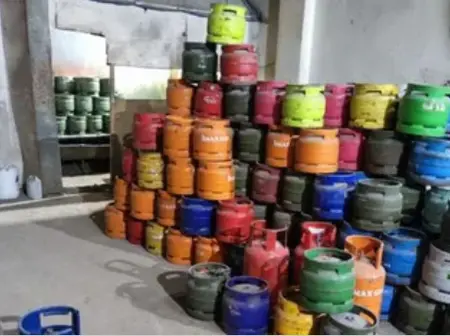
The proposed technology will help the regulator trace individual cylinders, identify illegally distributed products, monitor refilling activities and improve oversight of LPG quality.
EPRA Director General Edward Kinyua disclosed the development on Friday, November 27, during the annual Kenya Editors' Guild meeting in Mombasa.
He explained that the tracking system would strengthen the regulator's ability to make informed decisions while addressing safety and compliance challenges in the petroleum industry.
The technology is also expected to help authorities identify suspicious activities involving gas cylinders, particularly those handled by unauthorised dealers and filling stations.
EPRA has previously warned Kenyans about the dangers of purchasing gas from unlicensed dealers, following concerns over the circulation of counterfeit, poorly maintained and illegally refilled cylinders.
As part of its consumer safety campaign, the regulator has urged households to inspect gas cylinders before purchasing them.
Consumers are advised to check whether cylinders have intact safety seals, clear manufacturer branding and visible serial numbers. They should also ensure that the weight is accurate before completing a purchase.
Another important requirement is checking the cylinder's test or requalification date. According to EPRA, gas cylinders should undergo requalification within eight years of manufacture.
The proposed tracking technology is expected to complement these existing safety measures by giving the regulator greater visibility over the movement and handling of cylinders throughout the country.
EPRA Adopts Technology to Monitor Fuel Stations
Beyond the LPG tracking project, Kinyua revealed that the government is also adopting Geospatial Information Science (GIS) technology to improve monitoring of fuel stations.
The system is expected to help authorities track more than 3,000 fuel stations across Kenya and strengthen market intelligence.
The technology will provide additional information to support regulatory supervision, improve compliance monitoring and help the government make better decisions within the petroleum sector.
Kinyua said technological advancements were becoming increasingly important in strengthening oversight and ensuring that petroleum businesses operated within established regulations.
Government Expands Clean Cooking Initiatives
The EPRA Director General also highlighted government initiatives aimed at expanding access to cleaner cooking energy.
He revealed that clean cooking energy had been piloted in 21 schools across 20 counties, while piped gas had also been installed in affordable housing projects.
The initiatives are intended to expand access to modern cooking solutions while creating new opportunities for professionals in the engineering sector.
Some of the emerging opportunities include gas metering, infrastructure development and the adoption of modern energy technologies.
Kinyua further emphasised the importance of maintaining strong regulatory standards to ensure investments in petroleum infrastructure meet engineering, safety and environmental requirements.
He noted that engineers play an important role in ensuring petroleum facilities are properly designed, constructed, operated and maintained.
He stressed that innovation in the energy industry must go hand in hand with safety, professionalism and regulatory compliance as Kenya continues to modernise its petroleum sector.
Source
Leave a Reply