According to the latest National Treasury Public Debt Bulletin, the stock rose from Sh13.47 trillion in August, comprising Sh7.78 trillion in domestic borrowing (57.5 per cent) and Sh5.75 trillion in external obligations (42.5 per cent). In nominal terms, the debt represents 72.7 per cent of Gross Domestic Product—and 66.9 per cent in present value, well above the statutory 55 per cent anchor.
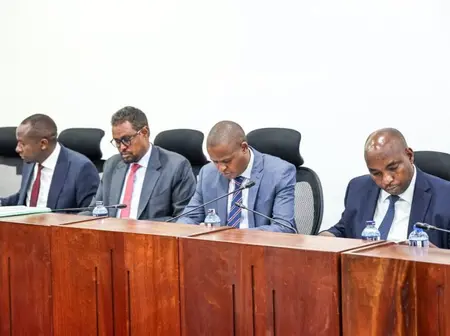
Lawmakers questioned how the administration plans to rein in borrowing and ease heavy debt-servicing pressures—which consume over Sh1.25 trillion in the 2026/27 budget—without stifling development spending or imposing fresh tax burdens on households.
Defending the government’s record earlier this week, Treasury Cabinet Secretary John Mbadi maintained that borrowing has grown at a slower pace than under previous administrations, noting debt rose roughly 27 per cent from Sh10.3 trillion to Sh13.4 trillion and projecting it could reach around Sh19 trillion by 2032.
In Kenya’s pre-election politics, the Sh13.53 trillion debt figure strikes at the heart of voter frustration over taxation, pending bills, and the cost of living ahead of the August 10, 2027 General Election.
Observers note that while the Treasury points to credit-rating stability and concessional multilateral loans to argue debt remains sustainable, opposition leaders continue to frame rising borrowing as evidence of broken fiscal promises.
At the same time, parliamentary scrutiny puts pressure on the executive to show tangible value for borrowed funds.
With less than nine months remaining before Kenyans head to the ballot box on August 10, 2027, how the Treasury balances debt servicing, borrowing limits, and economic relief will remain closely watched.
https://peopledaily.digital/news/mps-demand-answers-over-kenyas-ksh13-5t-public-debt
Leave a Reply