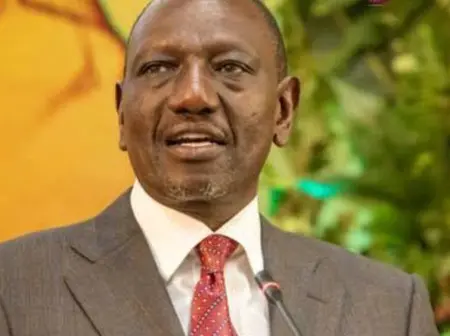
Addressing key stakeholders, the Head of State emphasized that drastically expanding Kenya’s power capacity is critical to driving rapid industrialization, powering special economic zones, and positioning the nation as a premier hub for digital innovation and green manufacturing. Currently, Kenya’s installed electricity capacity stands at just over 3,300 megawatts. Scaling this output threefold by 2033 represents one of the most significant infrastructure commitments in the country’s history.
To achieve this target without overburdening taxpayers with unsustainable public debt, the administration plans to lean heavily on private-sector capital and Public-Private Partnerships (PPPs). Kenya already boasts a global reputation for clean energy, with roughly 90 percent of its national grid powered by renewable sources—primarily geothermal, wind, solar, and hydroelectric power. The new 12-billion-dollar initiative will accelerate investments in these green energy sectors, particularly harnessing the vast, untapped geothermal potential in the Rift Valley alongside large-scale solar farms in the northern regions.
Beyond attracting foreign direct investment, the expansion aims to solve a longstanding challenge for Kenyan households and businesses: the high cost of electricity. By increasing supply and upgrading transmission networks to minimize system losses, the government anticipates lowering power tariffs, making local manufacturing more competitive across the East African region.
For millions of Kenyans, this vision promises more than just reliable lighting; it represents job creation, modernized industries, and a cleaner environment. As the government moves from policy to execution, all eyes will be on how swiftly these multi-billion-dollar partnerships translate into affordable, dependable power on the national grid.
https://www.facebook.com/share/p/19kTYvT3iC/
Leave a Reply