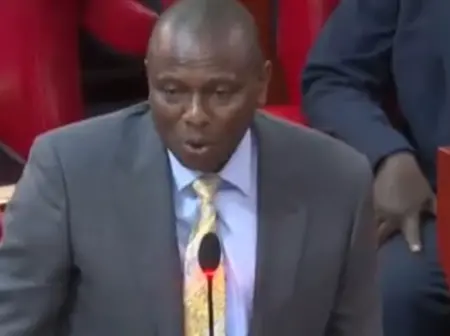
National Assembly Majority Leader Kimani Ichung’wah has defended President William Ruto’s administration against critics who previously accused him of using government to enrich himself and his political allies.
Speaking during debate on the State of the Nation Address in Parliament, Ichung’wah cited ongoing road construction, affordable housing projects, teacher recruitment and changes in public financial management as evidence of what he described as the government's progress.
He dismissed earlier claims that road construction would stall and that money collected through the affordable housing levy would be misused by the President and his allies.
Ichung’wah pointed to projects such as the Mau Mau roads and the Rironi-Mau Summit dual carriageway, alongside plans to improve highway safety. He also highlighted affordable housing developments, markets and student hostels being implemented across the 47 counties.
On education, the Kikuyu MP said the government had recruited 100,000 teachers, with another 20,000 recruitment underway. He also cited improvements in the administration of national examinations, noting that they had been conducted without heavy police presence inside examination rooms.
Turning to corruption concerns, Ichung’wah argued that the administration had avoided major corruption scandals during its first years in office. He credited the Single Treasury Account and the electronic government procurement system with strengthening financial controls and improving accountability in the management of public funds.
The Majority Leader also challenged opposition politicians who have accused the government of corruption. Without mentioning specific names, he alleged that some political party leaders had collected money from people seeking elective positions and used the proceeds to acquire property abroad, including in Texas and Miami.
He warned his political opponents against accusing others while facing questions about their own conduct, invoking the saying that people living in glass houses should not throw stones.
Leave a Reply