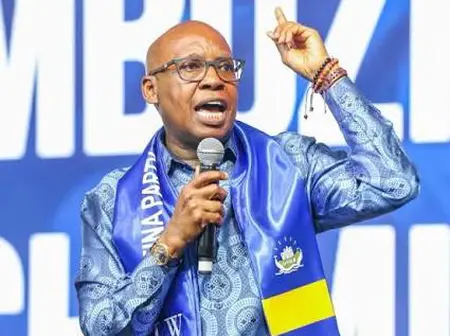
"My vision is simple: unlock opportunity, support enterprise and make Kenya work for those willing to work," Wanjigi said in a statement.
The remarks reflect an economic agenda that the Safina Party leader has been advancing as he positions himself ahead of the 2027 General Election.
In an interview published by the Daily Nation on October 18, 2026, Wanjigi outlined proposals aimed at changing how the government manages public debt, taxation and access to credit.
Among his proposals is reducing the tax burden on individuals and businesses. He has also called for a smaller government, arguing that excessive state involvement and domestic borrowing can limit the private sector's ability to grow.
Wanjigi has proposed replacing the current 16 per cent Value Added Tax with a five per cent sales tax, a plan he says would leave more money in the hands of consumers and stimulate business activity.
He has also advocated for cheaper credit, arguing that small businesses and entrepreneurs need affordable financing to expand their operations and create employment.
His wider economic proposals form part of what he describes as an effort to prioritise economic freedom over political promises that do not translate into better living conditions.
The Safina Party leader has also questioned the government's borrowing approach, proposing a comprehensive audit of public debt to establish whether loans were obtained and used in accordance with the law.
However, his proposals also raise questions about how the government would finance essential public services if tax collections were reduced and borrowing restricted. Such changes would require detailed fiscal planning and consideration of the country's financial obligations.
For ordinary Kenyans, the discussion touches on familiar concerns, including the cost of running businesses, access to financing and the availability of meaningful employment.
Wanjigi's message places enterprise at the centre of his economic vision, with the argument that citizens should have an opportunity to turn their skills and ideas into sustainable sources of income.
As political discussions ahead of 2027 continue, his economic proposals are likely to remain part of the wider debate about Kenya's future.
But beyond political statements, what specific economic changes should Kenyans demand from leaders seeking to transform their livelihoods?
Leave a Reply