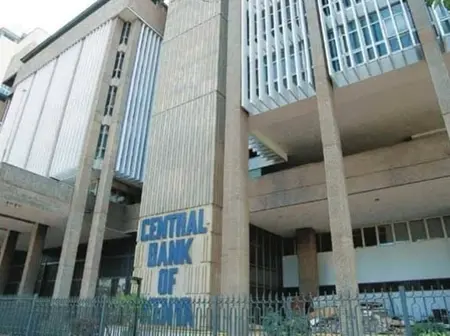
Kenya's leading commercial banks are pushing for a one-year delay in the implementation of new capital requirements proposed by the Central Bank of Kenya, arguing that the regulations could slow down lending to businesses and households ahead of the 2027 General Election.
The Kenya Bankers Association, which represents commercial banks, wants the new rules, initially scheduled to take effect on January 1, 2027, postponed to allow further consultations on their possible impact on the banking sector.
The proposal comes at a time when private-sector lending is showing signs of recovery after experiencing a difficult period.
KBA Chief Executive Raimond Molenje warned that introducing additional capital requirements during an election year could reverse the gains made in credit growth, particularly in financing micro, small and medium-sized enterprises and the agricultural sector.
The proposed CBK framework requires banks classified as Domestic Systemically Important Banks (D-SIBs) to maintain additional capital buffers ranging between 0.5 per cent and 2.5 per cent of their risk-weighted assets.
The requirements are intended to strengthen financial institutions and protect the wider economy against disruptions that could arise if a major bank experiences financial difficulties.
However, banking executives are concerned that retaining more money to meet the new capital thresholds could reduce the funds available for lending and affect dividend payments to shareholders.
According to figures highlighted by the banking industry, private-sector credit growth increased to 10.6 per cent in September 2026, compared to a contraction of 2.9 per cent in January.
Banks also advanced KSh424.67 billion in new loans to MSMEs between January and September 2026, representing a 30 per cent increase compared to KSh326.5 billion recorded during a similar period in 2025.
The banking industry is targeting KSh500 billion in new MSME lending this year.
Molenje believes that delaying the regulations would give banks and the regulator sufficient time to examine their implications without disrupting economic recovery.
The proposal now places CBK under pressure to balance stronger financial regulations with the need to maintain affordable credit for Kenyans as the country approaches the 2027 elections.
Sources;
https://peopledaily.digital/business/why-kenyan-banks-want-new-capital-rules-delayed-until-after-2027-polls?fbclid=IwY2xjawVxH3dleHRuA2FlbQIxMQBwZG9mBXNydGMGYXBwX2lkDDM1MDY4NTUzMTcyOAABH9zQwGNUa8dBoy4LwnVsV_LZ-ytFsAg1i4BMETwsq-GwUcHwCZkb2UrQfdUM_aem_7aetuuDsL6m6SY6St28TBg
Leave a Reply