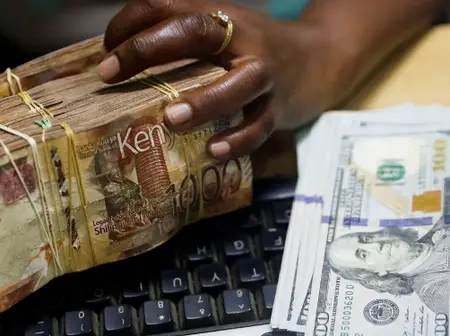
The Kenyan shilling is once again facing pressure against the United States dollar, with the local currency edging closer to the psychological KSh 130 mark. The latest developments have raised fresh questions about the country's economic stability and the ability of the local currency to maintain its value against major international currencies.
The development is particularly important because the US dollar plays a major role in Kenya's international trade. Businesses rely on the dollar to pay for imported products, fuel, machinery, medicines and other essential commodities.
Foreign Exchange Reserves Record a Decline
Another development attracting attention is the decline in Kenya's foreign exchange reserves.
The country's reserves dropped by USD 656 million in the week ending November 19, reducing import cover from 5.9 months to 5.6 months.
The reserves stood at approximately USD 13.949 billion during the reporting period.
Although the country still maintains reserves above the statutory minimum requirement of four months of import cover, the reduction deserves attention.
Foreign exchange reserves are important because they help a country meet international payment obligations, manage external financial pressures and maintain confidence in its economy.
Shilling Performs Better Against the Pound and Euro
Interestingly, the Kenyan shilling did not weaken against every major international currency.
During the same two-week period, it strengthened against the British pound and the euro.
The pound declined from KSh 174.82 to KSh 171.12, while the euro dropped from KSh 145.73 to KSh 142.66.
This means Kenyans buying certain goods and services priced in these currencies could experience some relief.
However, individuals receiving income from Britain and European countries may receive fewer Kenyan shillings when converting their foreign earnings.
What Could Happen Next?
Economist Daniel Kathali reportedly warned that disruptions in the Middle East could create additional pressure on the Kenyan shilling.
For ordinary Kenyans, currency movements are not simply financial statistics. They can influence the cost of living, business operations, fuel prices and household spending.
The biggest question is whether the shilling will stabilise below KSh 130 or continue losing ground against the dollar.
Ultimately, Kenyans will be watching the government's economic decisions and the Central Bank's management of foreign exchange stability.
What is your assessment of the Kenyan shilling's performance, and what should the government do to strengthen it? Share your views in the comments.
https://www.facebook.com/share/19iw4ApyPy/
Leave a Reply