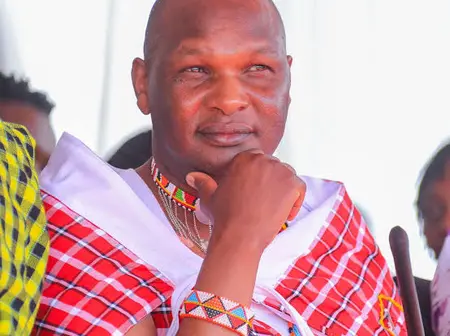
Farouk Kibet has questioned why Kenyan athletes should be taxed after earning millions through international competitions.
President William Ruto's aide Farouk Kibet raised the issue while discussing the financial struggles faced by Kenyan athletes, arguing that the government should reconsider how it treats their prize money. His remarks have drawn attention to the ongoing debate over taxation of sportsmen and women who earn rewards while representing Kenya abroad.
In remarks captured in a video circulating on social media, Kibet questioned the Kenya Revenue Authority's interest in taxing athletes after they had worked hard to win competitions.
"KRA isifukuze wakimbiaji. Mtu amekimbia, amepata Ksh5 million; you want to tax them," he said, expressing frustration over the taxation of athletes' earnings.
His comments come at a time when Kenyan athletes continue to bring international recognition to the country through major road races, championships and other sporting competitions. However, concerns have frequently been raised over the financial challenges facing some athletes despite their achievements on the international stage.
Kibet has previously spoken about the need to support athletes and improve sporting facilities, arguing that talented runners should receive better opportunities to develop their careers and secure their financial future.
The discussion over athletes' taxation has also attracted attention following major international victories that have earned Kenyan runners millions of shillings in prize money and bonuses.
In April, marathoner Sabastian Sawe made headlines after his historic London Marathon victory, with discussions emerging over the taxes applicable to his prize money and other rewards. The issue prompted debate among politicians and members of the public over whether athletes should receive special tax treatment for their achievements.
Kenya's tax system generally requires individuals to pay taxes on taxable income, although provisions relating to foreign income and taxes paid abroad may affect the final amount payable. The taxation of athletes' earnings can therefore depend on the nature of the income and the applicable tax rules.
Kibet's remarks are likely to reignite conversations about whether Kenya should introduce special incentives or tax relief for athletes who bring international recognition and economic benefits to the country.
While taxation remains an important source of government revenue, some Kenyans have argued that athletes deserve additional consideration because of the sacrifices involved in competing at the highest level.
The Kenya Revenue Authority has not been quoted responding directly to Kibet's remarks in the supplied video.
Should Kenyan athletes receive special tax exemptions on their international prize money, or should they pay taxes like other income earners?
Leave a Reply