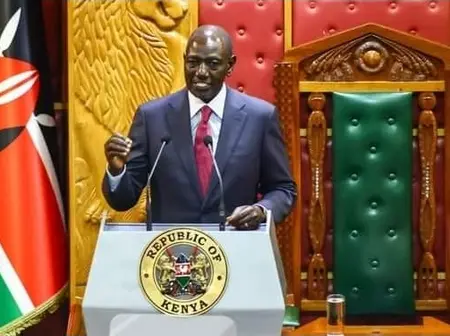
President William Ruto inherited an economy facing significant debt obligations, constrained fiscal space and declining public confidence. His administration has since pursued fiscal reforms aimed at restoring economic stability, but whether these efforts constitute effective public debt management remains a matter of debate.
The government has adopted a strategy of increasing revenue collection, reducing fiscal deficits and restructuring debt obligations. Although these measures are intended to improve Kenya’s financial position, their implementation has often placed additional pressure on ordinary citizens and businesses. Higher taxes, increased levies and the rising cost of essential goods have weakened household purchasing power, raising questions about who ultimately bears the burden of fiscal adjustment.
Debt management is not simply about raising revenue to repay creditors. It requires prudent borrowing, efficient utilisation of public funds and investments capable of generating sustainable economic returns. Kenya continues to face concerns over the high cost of debt servicing, which limits the government's capacity to finance essential services and development priorities.
The administration's efforts to engage creditors, explore alternative financing and strengthen fiscal discipline are commendable. However, public confidence remains fragile amid concerns about government expenditure, accountability and the perceived disconnect between economic policies and citizens' daily realities.
President Ruto must demonstrate that borrowed money is being used responsibly and transparently. Reducing unnecessary expenditure, combating corruption, prioritising productive projects and strengthening oversight institutions should complement revenue-raising measures.
Ultimately, Kenya needs a debt strategy that promotes economic growth without undermining livelihoods. The success of Ruto's administration will depend on whether it can reduce the country's debt vulnerability while protecting citizens from excessive economic hardship. Sustainable debt management must deliver both fiscal responsibility and social justice.
Source: https://www.facebook.com/share/1Dc3FQ1d3A/
Leave a Reply