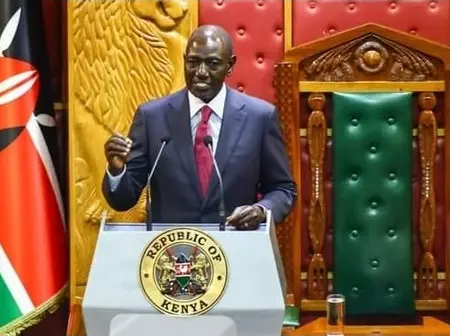
President William Ruto’s management of Kenya’s public debt remains a mixed record, characterised by ambitious fiscal reforms, growing revenue collection efforts and persistent concerns about the country’s debt sustainability. While his administration has demonstrated commitment to addressing the debt burden, the results have yet to provide sufficient relief to ordinary Kenyans.
Kenya’s public debt has continued to consume a significant portion of government revenue, leaving limited resources for essential services such as healthcare, education, infrastructure and social protection. The government has prioritised debt repayment, introduced tax measures and pursued international financing arrangements to ease pressure on the national budget. However, increased taxation has placed a heavy burden on households and businesses already struggling with the high cost of living.
Ruto’s administration deserves recognition for pursuing fiscal consolidation and attempting to reduce reliance on expensive domestic borrowing. Efforts to improve revenue collection, manage expenditure and restructure certain debt obligations demonstrate awareness of the risks associated with excessive borrowing. Nevertheless, borrowing alone cannot solve Kenya’s economic challenges without corresponding improvements in productivity, accountability and prudent public spending.
A major concern remains the efficiency with which borrowed money is utilised. Kenyans expect public debt to finance productive investments that generate employment, stimulate economic growth and expand the country’s revenue base. Persistent corruption, wastage, stalled projects and questionable expenditure undermine these objectives and weaken public confidence in government debt management.
Ultimately, effective debt management should not be measured merely by the government's ability to repay creditors, but by whether borrowing improves citizens’ livelihoods. President Ruto must strengthen transparency, eliminate unnecessary expenditure, prioritise productive projects and ensure that public resources deliver measurable results.
Kenya needs a sustainable debt strategy that balances repayment obligations with economic development and social welfare. Without these reforms, debt management risks becoming an exercise in collecting more taxes to service past borrowing, rather than building a prosperous future.
Source: https://www.facebook.com/share/1EQTngSRkf/
Leave a Reply