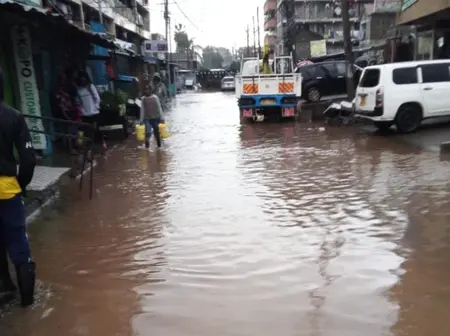
While the Kenya Meteorological Service Authority and the Kenya Meteorological Department projected above-average rainfall across roughly 43 counties during the October–December short rains season, mean temperatures have also been expected to run warmer than average nationwide.
That combination of enhanced moisture and warmer conditions means weather patterns can vary sharply over short distances and brief timeframes, turning a routine commute or farm task into an unexpected disruption.
Meteorologists note that large-scale climate drivers—including erratic swings in the Indian Ocean Dipole alongside developing El Niño conditions—can disrupt expected timelines and push heavier rainfall bursts toward late November, December, and even into January.
For residents in urban centres and flood-prone neighbourhoods, blocked drainage channels, sudden downpours, and waterlogged roads can quickly stall traffic, damage property, and create hygiene risks when floodwaters mix with waste or contaminate water sources.
For farmers and pastoralists, relying solely on broad seasonal averages rather than local forecasts can complicate planting decisions, grazing plans, and livestock movement when dry spells alternate with heavy storms.
County governments and disaster agencies also face the recurring test of turning early meteorological warnings into cleared drains, safe shelter options, and timely public advisories before emergencies escalate.
As the short rains season advances, paying close attention to daily local forecasts, keeping waterways clear, and avoiding flooded crossings remain practical steps to reduce preventable harm.
https://peopledaily.digital/insights/november-rains-the-weather-risk-many-kenyans-may-be-overlooking
Leave a Reply