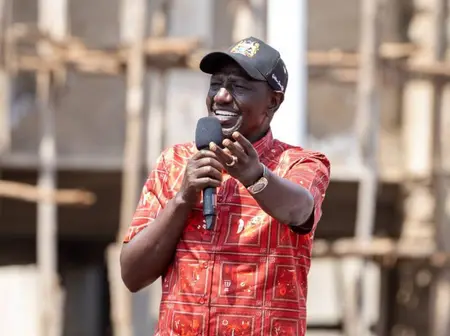
The President has increasingly taken government operations beyond State House, visiting various regions to launch projects, inspect ongoing developments and engage local leaders. Through these tours, Ruto hopes to demonstrate his administration's commitment to delivering development across the country.
Under the Bottom-Up Economic Transformation Agenda (BETA) and the Usawa ni Sawa philosophy, the government is highlighting projects involving road construction, affordable housing, electricity connections, modern markets, street lighting and water infrastructure. The administration says every region deserves equal development opportunities.
In November 2026, Ruto conducted extensive tours across Western Kenya, following similar engagements in Ukambani and the Rift Valley. His administration has also prioritised reviving struggling sugar factories, including Mumias, Muhoroni, Sony Sugar and Nzoia, alongside investments in agriculture and industrial parks.
However, the development strategy has attracted criticism from opposition leaders and economic commentators, who question public spending, government borrowing and the value of certain projects. They argue that infrastructure announcements must translate into improved living standards for ordinary Kenyans.
The June 2024 anti-government protests also exposed widespread frustrations over taxation and the cost of living. Many households continue struggling with expenses involving food, electricity, transport and education, creating pressure on Ruto to demonstrate tangible economic improvements.
Meanwhile, former Deputy President Rigathi Gachagua, through his Democracy for the Citizens Party (DCP), has intensified grassroots mobilisation. He has attracted political defectors while accusing the government of sidelining Mount Kenya and questioning aspects of the proposed presidential election results transmission process.
Other potential opposition contenders, including Kalonzo Musyoka, Fred Matiang'i and Nairobi Senator Edwin Sifuna, could complicate efforts to establish a united political formation. Although Gachagua maintains that selecting a joint presidential candidate can wait, leadership differences remain a concern.
A TIFA Research survey published on November 12, 2026, placed Ruto and Sifuna at 31 per cent each in presidential preference, highlighting a competitive political landscape. Ultimately, Ruto's re-election prospects will depend on whether development projects improve livelihoods, while the opposition must present a convincing alternative programme.
Leave a Reply