Ndii, who heads the Presidential Council of Economic Advisors, attributed the financial performance to the expensive nature of financing large infrastructure projects, arguing that revenue collected during the early years is largely committed to servicing construction loans.
His remarks followed the release of financial figures showing that Moja Expressway Company recorded a net loss of Ksh5.1 billion for the financial year ending December 2025.
The company generated Ksh9.63 billion in revenue but reported direct costs amounting to Ksh14.73 billion, according to the National Treasury's Fifth Annual Report on the State of Public-Private Partnerships.
The figures triggered questions about the expenses involved in operating the 27-kilometre highway, with NTV journalist Eric Latiff questioning how routine activities such as cleaning, lighting and managing toll stations could account for such substantial costs.
Responding to the concerns, Ndii explained that infrastructure investments are commonly financed through a combination of borrowed funds and money contributed by investors.
He noted that debt financing generally attracts annual interest rates of between five and 10 per cent, compared to equity financing, which can cost investors between 15 and 20 per cent.
According to Ndii, infrastructure projects typically adopt a financing structure comprising 30 per cent equity and 70 per cent debt to reduce their overall cost of capital.
He further explained that investors may have to wait between 10 and 15 years before receiving substantial returns because much of the money generated during the initial operating period goes towards loan repayments.
Ndii argued that such projects require long-term investors, including pension funds, which can afford to wait for extended periods before recovering their investments.
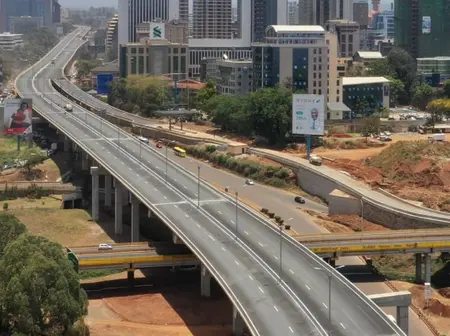
The Nairobi Expressway was developed through a 30-year Public-Private Partnership between the Kenya National Highways Authority and Moja Expressway Company.
The road, which connects Mlolongo to James Gichuru Road, opened to motorists in 2022. It operates under a concession arrangement that will eventually see the facility transferred to the Kenyan government when the agreement expires.
However, Ndii's explanation focused on the financing structure of infrastructure projects rather than providing a detailed breakdown of the company's reported Ksh14.73 billion in direct costs.
https://www.kenyans.co.ke/news/129573-ndii-explains-why-nairobi-expressway-lost-ksh51-billion
Leave a Reply