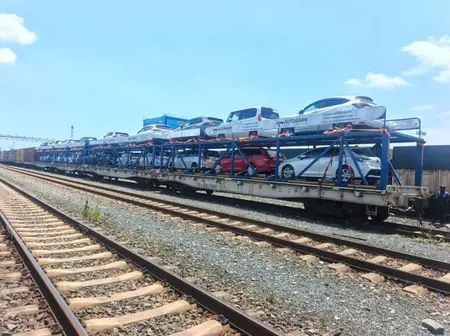
Kenya’s revised imported vehicle clearance procedures have changed how licensed motor vehicle dealers bring second-hand cars into the country, clear them through customs, and prepare them for sale.
The changes mean that imported vehicles can now move from customs-controlled facilities to dealers’ yards before receiving their final Kenyan registration numbers.
Here is a closer look at what happens to an imported vehicle under the revised system.
The new arrangement allows licensed dealers to keep imported vehicles at their business premises before completing formal registration.
This means a dealer can advertise a vehicle, display it at a showroom and look for a prospective buyer without first obtaining its final Kenyan registration number.
However, the vehicle must have undergone customs clearance and received the required Kenya Dealer (KD) identification.
The arrangement separates the process of preparing a vehicle for sale from the final registration process.
No. The KD identifier should not be confused with an ordinary Kenyan vehicle registration number.
It is primarily intended to identify and track imported vehicles held by licensed dealers before formal registration.
The identifier links the vehicle to its chassis number and the importing dealer, allowing authorities to establish its identity during the clearance process.
A vehicle carrying a KD identifier has therefore not necessarily completed the formal registration process required for ordinary road use.
Prospective buyers should establish whether the vehicle has completed customs clearance and whether its details correspond with the import documentation.
Some of the important details to verify include:
Buyers should also establish whether the quoted selling price includes registration-related charges or whether these will be paid separately.
Yes. The revised clearance arrangement does not remove customs taxation.
Dealers must pay all applicable import duties, taxes and levies before the vehicle is released from the customs-controlled facility.
The difference is that NTSA registration fees and levies are deferred until a buyer is secured.
This distinction is important because the changes should not be interpreted as a tax holiday for imported vehicles.
Under the new guidelines, licensed dealers must first lodge an import declaration through KRA’s Integrated Customs Management System (iCMS) once their vehicles arrive in Kenya.
Dealers must then pay all applicable customs duties, taxes and levies before the vehicles can proceed through the clearance process.
However, KRA clarified that NTSA registration fees and levies will not be collected during the initial customs entry stage.
“Applicable customs duties and taxes will be paid. NTSA registration fees and levies shall not be collected during this initial customs entry stage,” the Authority stated.
After confirming payment, customs verification officers will physically inspect the vehicles before the Centralised Release Officer reviews the import entries and authorises their release.
By allowing registration payments to be made after a sale, the government is changing the timing of these expenses.
The arrangement could also reduce the amount of money dealers tie up in unsold vehicle stock.
The revised procedure specifically addresses vehicles imported by licensed motor vehicle dealers.
It should not automatically be assumed that individuals importing vehicles for personal use will enjoy the same deferred registration arrangement.
Individual importers should continue following the applicable KRA and NTSA procedures for their category of importation.
No. The clearance changes do not, by themselves, alter Kenya’s existing vehicle importation standards.
Importers must continue complying with applicable requirements on vehicle age, steering configuration, inspection and roadworthiness.
The eight-year age restriction for second-hand vehicle imports remains an important requirement under Kenya’s existing import regulations.
The biggest change is not the removal of taxes or registration requirements but the timing of when certain payments and procedures are completed.
Licensed dealers can now clear imported vehicles through customs, move them to their yards and complete formal registration after finding buyers.
For consumers, this creates a distinction between a vehicle that has been cleared for importation and one that has completed the full registration process.
Rono is a digital journalist with a proven track record in newsroom leadership and content creation. Currently a Digital Writer for People Daily Digital, Emmanuel’s career is rooted in a lifelong passion for storytelling. Let's talk here: or
Leave a Reply