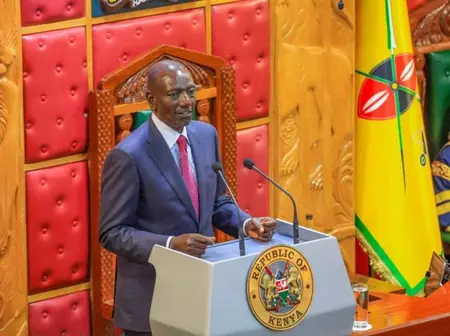
Rather than offering a detailed reckoning on governance concerns—such as civic space, public participation in tax legislation, or rule-of-law safeguards—Ruto centered his speech on economic stabilization, usawa (equity), and tangible public investments.
He highlighted cooling inflation, expanded student hostels, affordable housing jobs, road and power projects, and registration of 33.7 million Kenyans under the Social Health Authority (SHA), alongside plans to tighten payroll controls via the Treasury Single Account. Supporters argue these figures demonstrate measurable delivery and regional inclusion.
Yet critics contend that headline statistics do not match everyday household realities. Kathiani MP Robert Mbui argued that the address fell short on demonstrating how Article 10 governance principles have been realized.
Meanwhile, commentators and citizens pointed to persistent cost-of-living pressures, statutory deductions, and ongoing SHA system glitches or delayed hospital reimbursements.
Observers note that while Ruto framed progress around roads, housing, and enrolment tallies, opponents measure constitutional accountability by institutional checks, public trust, and relief felt at the kitchen table.
As Kenya moves closer to the August 2027 General Election, the clash underscores a deeper divide over what defines national progress.
What are your thoughts about this article? Share your reactions in the comment section and don't forget to share and follow for more updates.
https://peopledaily.digital/inside-politics/how-rutos-address-traded-constitutional-accountability-for-an-infrastructure-scorecard
Leave a Reply