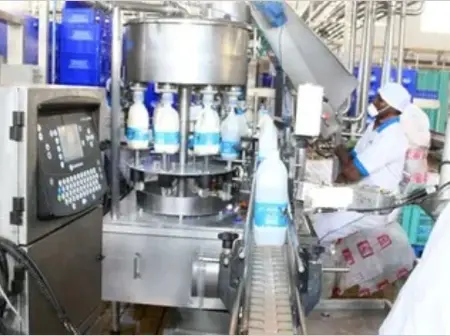
Kenya’s dairy sector has recorded a decline in milk deliveries to processors, raising fresh concerns about the country’s ability to maintain a steady supply amid an ongoing shortage.
Data from the Kenya National Bureau of Statistics (KNBS) shows that milk intake by processors dropped to 74.8 million litres in September 2026, down from 79.1 million litres recorded in August.
The latest figures represent a reduction of 4.3 million litres in deliveries within one month, highlighting growing pressure on the formal dairy supply chain.
In its Leading Economic Indicators report, KNBS confirmed the decline, pointing to a slowdown in the amount of milk received by processing companies across the country.
“Milk intake in the formal sector declined from 79.1 million litres in August 2026 to 74.8 million litres in September 2026,” the report stated.
The decline comes at a time when Kenya is experiencing milk supply challenges, raising concerns about the availability of dairy products for households and businesses.
Processors rely on consistent milk deliveries from farmers, cooperatives and collection centres to maintain production of packaged milk, yoghurt, cheese and other dairy products.
A continued reduction in deliveries could affect processing capacity and make it difficult for companies to meet demand, particularly if the shortage persists in the coming months.
Kenya’s dairy industry is largely supported by small-scale farmers, whose production can be affected by several factors, including high animal feed costs, changing weather patterns, limited pasture and rising costs of production.
These challenges can affect both the volume of milk produced and the quantities farmers deliver to formal collection channels.
However, the KNBS report did not specify the factors responsible for the September decline.
The latest statistics are likely to draw attention to the need to strengthen milk production, improve access to affordable animal feeds and support farmers to sustain output.
Industry stakeholders will also be monitoring subsequent monthly figures to determine whether the decline will continue or whether deliveries will recover.
The performance of the dairy sector remains important to Kenya’s agricultural economy, given its contribution to household incomes, food security, employment and the supply of essential nutritional products.
https://www.facebook.com/share/p/1CbVN8KHUa/
Leave a Reply