The proposed reforms seek to introduce a tax-free income threshold of KSh32,333 per month, meaning employees earning this amount or less would no longer pay income tax on their monthly salaries.
President William Ruto announced the proposal during the Mashujaa Day celebrations on October 20, 2026, as part of government efforts to reduce the tax burden on workers and increase household disposable income.
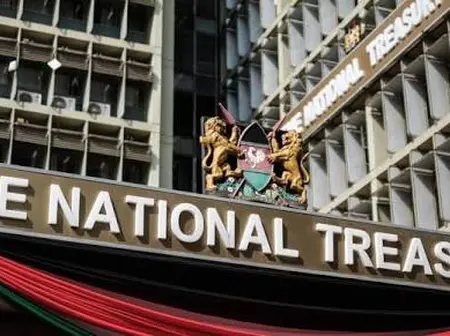
National Treasury Cabinet Secretary John Mbadi has since provided an update on the legislation expected to introduce the changes.
Speaking on Tuesday, November 17, Mbadi disclosed that the proposed Tax Laws (Amendment) Bill had been forwarded to the Attorney General after he signed it off the previous week.
"The Bill is ready and is now with the Attorney General. I signed it off last week, and we will take it to Parliament before the recess. It has to be passed before we can implement it," Mbadi stated.
Under the proposed arrangement, the first KSh32,333 of an employee's monthly taxable income would attract zero per cent PAYE.
This would benefit workers earning KSh25,000, KSh30,000 and KSh32,333, who would no longer have income tax deducted from their salaries if the proposal becomes law.
The government also intends to scrap the current monthly personal relief of KSh2,400, which amounts to KSh28,800 annually.
Currently, eligible resident employees receive this relief to reduce the income tax payable on their earnings. The proposed system would replace it with the expanded tax-free income threshold.
Workers earning above KSh32,333 could also benefit from the proposed changes.
For instance, an employee earning KSh50,000 monthly could see estimated take-home pay increase from KSh39,029 to KSh41,112, representing an additional KSh2,083.
Similarly, someone earning KSh100,000 could receive approximately KSh72,574 instead of the current KSh70,441, translating to a monthly increase of KSh2,133.
However, the government does not plan to reduce the higher PAYE rates of 30 per cent, 32.5 per cent and 35 per cent under the current proposal. These rates would continue applying to income above the tax-free threshold.
Other statutory deductions, including contributions to the Social Health Insurance Fund (SHIF), Affordable Housing Levy and National Social Security Fund (NSSF), would also remain in place.
This means employees earning up to KSh32,333 would still have other applicable deductions reflected in their payslips despite becoming exempt from PAYE.
The Treasury estimates that the proposed changes could reduce government payroll tax collections by approximately KSh3.7 billion every month.
The government hopes that increased disposable income will encourage household spending, support businesses and stimulate economic activity.
However, the proposed reforms are not yet law. They must undergo the necessary public participation and parliamentary approval before employers can begin applying the new tax arrangement.
Until the legislation is passed and its commencement date established, employers will continue deducting PAYE under the existing tax system.
https://www.facebook.com/100063646850476/posts/1752451113553100/?app=fbl
Leave a Reply