Kenya has earned a fresh opportunity to influence global telecommunications decisions after securing the highest number of votes among African countries in an international election held in Doha, Qatar.
The country received 136 votes out of 173 cast, retaining its seat on the Council of the International Telecommunication Union (ITU) for the 2027–2030 term.
The election took place during the ITU Plenipotentiary Conference, which brought together member states to select representatives to the organisation's governing body.
Kenya was among 19 African countries competing for 13 available seats. Côte d’Ivoire received 135 votes, followed by Senegal with 134, while Tanzania secured 131.
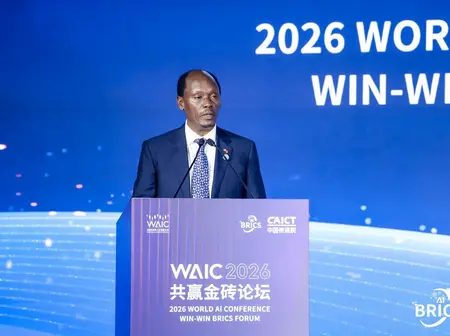
Information, Communications and the Digital Economy Cabinet Secretary William Kabogo led Kenya's campaign at the conference.
The ITU Council plays an important role in overseeing the organisation's activities, budget and strategic priorities. The union also coordinates international telecommunications standards, radio-frequency spectrum and satellite resources.
Kenya plans to use its new term to push for more affordable internet access, stronger digital infrastructure and greater investment in artificial intelligence across Africa.
Other priorities include improving regional cooperation on undersea internet cables, expanding last-mile connectivity and supporting technology that understands African languages.
These discussions matter because decisions on telecommunications standards and infrastructure can influence internet access, mobile networks and digital services used by millions of people.
Kenya has served on the ITU Council since 1982. Its latest victory extends that representation for another four years.
However, the election does not automatically mean cheaper internet or lower data prices. Those benefits will depend on the policies adopted and how they are implemented.
Leave a Reply