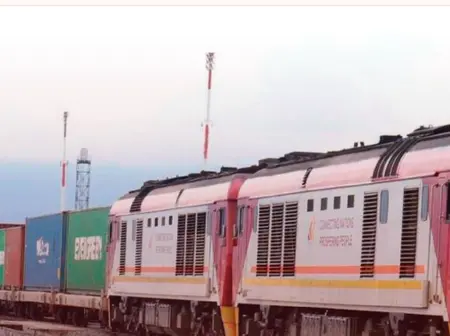
Kenya's Standard Gauge Railway (SGR) was introduced as one of the country's biggest development projects. The railway was expected to improve transport, reduce the cost of moving goods and support economic growth.
However, years after its construction, the project continues to raise questions about its cost, financing and the amount of money taxpayers must repay.
A recent report by the World Bank has brought fresh attention to the high cost of building the railway. The report suggests that Kenya could have saved billions of shillings if the project had been constructed at a cost similar to railway projects in other African countries.
According to the report, Kenya's Mombasa-Nairobi railway cost approximately KSh987 million per kilometre. This was higher than Tanzania's railway, which cost about KSh740 million per kilometre despite using electric trains.
The difference has raised questions about how the government awarded contracts and managed the construction process.
The World Bank identified several issues that may have contributed to the high costs. These included direct contracting instead of competitive bidding, land speculation and possible fraud involving land ownership, valuation and compensation.
The report estimated that Kenya could have saved up to KSh117 billion if the railway had been built at a lower cost.
Concerns about corruption risks in the project have also been raised by Transparency International Kenya. The organisation previously identified weaknesses in transparency, procurement and public oversight.
Another major concern is the debt used to finance the railway. Kenya relied heavily on loans from China to construct the project, leaving taxpayers with a significant repayment burden.
Although the railway was expected to generate revenue and support its own operations, questions have emerged about whether its earnings are enough to cover its expenses and loan obligations.
The project was presented as a major step towards improving Kenya's transport system. However, its rising costs and financing challenges have continued to attract public attention.
The latest findings have renewed calls for greater accountability in government spending, with questions about how such expensive projects are planned, awarded and monitored.
Leave a Reply