Delayed diagnosis leaves thousands exposed to preventable complications as experts warn that the disease can develop silently for years
More than 400,000 Kenyans could be living with diabetes without knowing they have the condition, raising concerns over delayed diagnosis and the growing risk of complications that could otherwise be prevented through early treatment.
Data from the International Diabetes Federation (IDF) estimates that approximately 813,300 adults in Kenya were living with diabetes in 2024, with about 435,700, representing 53.6 per cent, unaware of their condition.
The figures expose a significant gap in diabetes detection, where the absence of obvious symptoms can leave people unaware of deteriorating health until complications begin affecting vital organs.
Unlike illnesses that produce immediate and noticeable warning signs, Type 2 diabetes can develop gradually, allowing elevated blood sugar levels to damage the body before an individual seeks medical attention.
Dr Sairabanu Sokwalla, an Assistant Professor at Aga Khan University and Consultant Physician and Endocrinologist at Aga Khan University Hospital, Nairobi, warns that the gradual progression of the disease makes screening particularly important.
“Type 2 diabetes often develops gradually, meaning symptoms may go unnoticed for years,” she explains.
The danger is that people may continue with their normal routines while high blood glucose silently damages blood vessels and nerves, eventually affecting the heart, kidneys and eyes.
The International Diabetes Federation’s 2025 estimates paint an even wider picture, indicating that approximately 73 per cent of adults with diabetes in Africa remain undiagnosed, the highest proportion among global regions.
This makes diabetes not only a growing disease burden but also a challenge of detection, particularly in health systems where routine screening and awareness remain essential to identifying people before they become seriously ill.
One of the difficulties in detecting diabetes is that its early symptoms can easily be mistaken for ordinary physical discomfort.
Excessive thirst, frequent urination, increased hunger, unexplained weight loss, persistent fatigue and blurred vision are among the warning signs.
However, not everyone experiences these symptoms, while others may dismiss them as temporary changes associated with busy schedules, ageing or everyday lifestyle demands.
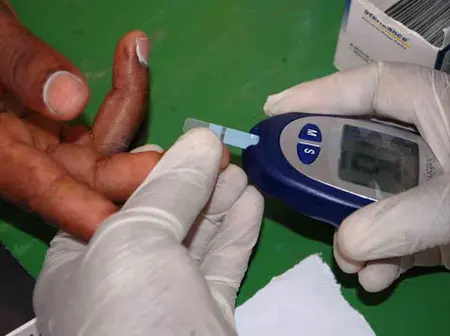
Dr Sokwalla notes that the absence of noticeable symptoms does not mean an individual is free from the condition, making blood glucose testing an important part of preventive healthcare.
People with a family history of diabetes, high blood pressure, abnormal cholesterol levels, overweight or obesity and physical inactivity face an increased risk.
Age is another consideration, with screening recommended for adults above 35 years who have additional risk factors.
The consequences of missing an early diagnosis can be severe. Uncontrolled diabetes increases the risk of heart disease, stroke, kidney failure, nerve damage, vision loss and foot ulcers that may eventually require amputation.
These complications can also increase the financial and emotional burden on households, particularly when patients require prolonged treatment, specialised care or hospitalisation.
Although diabetes has no permanent cure, early diagnosis allows patients to begin treatment and make lifestyle adjustments before significant damage occurs.
People with Type 1 diabetes require insulin, while Type 2 diabetes can be managed through dietary changes, physical activity, medication and, in some cases, insulin therapy.
Dr Sokwalla recommends a balanced diet rich in vegetables, fruits, legumes and whole grains, alongside regular physical activity.
Adults are generally encouraged to undertake at least 150 minutes of moderate-intensity physical activity each week.
For some people with Type 2 diabetes, substantial weight loss and sustained lifestyle changes may lead to remission, although continued medical monitoring remains necessary.
Leave a Reply