Contrary to popular myth, the base cost of electricity per unit remains identical across both systems. Any variations on your receipt come from monthly taxes, fuel cost charges, and foreign exchange adjustments. Instead of tariff rates, the utility company urges households to look closely at three practical areas:
• Your Income Flow and Cash Cycle: Households with daily or weekly earnings often benefit most from prepaid tokens. Using the "Nunua mdogo mdogo" approach, you can purchase small, affordable power units whenever cash is available, avoiding the stress of raising a lump sum at the end of the month. Conversely, salaried earners with predictable monthly paychecks may prefer the convenience of paying a single consolidated postpaid bill.
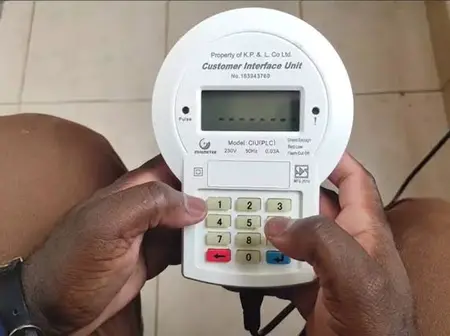
• Spending Control and Budget Discipline: Prepaid meters operate just like mobile phone airtime. You pay upfront, monitor your real-time consumption on the meter display, and power cuts off automatically once units run out. This eliminates unexpected bill shocks and prevents unpaid debt from piling up. Postpaid accounts offer uninterrupted usage throughout the month, which suits busy homes that do not want the inconvenience of sudden power cutoffs during late hours, provided they have the discipline to clear the final bill on time.
• Household Size and Lifestyle: Smaller families, students, or individuals living alone can easily track and cap their daily wattage using prepaid tokens. Larger households with heavy, continuous appliance usage—such as multiple refrigerators, water heaters, or home offices—often find postpaid billing smoother for uninterrupted daily routines.
SOURCE
Leave a Reply