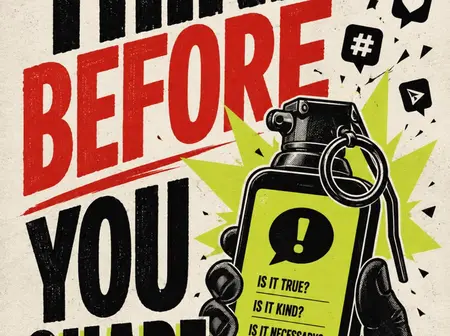
Social media has become part of everyday life for many Kenyans. From Facebook and TikTok to WhatsApp and X, people use these platforms to share opinions, discuss current affairs and express their frustrations.
However, not everything shared online is harmless. A post written in anger or excitement can sometimes expose someone to legal trouble.
There are four things social media users should be particularly careful about before publishing anything online.
1. Defamatory Statements
Making false claims about another person can lead to a defamation case.
For instance, publicly calling someone a thief, fraudster or criminal without evidence could damage their reputation and expose the person making the statement to legal action.
Freedom of expression does not give anyone unlimited rights to damage another person's reputation.
2. Threatening Messages
Threatening someone through Facebook, WhatsApp or other platforms can also attract legal consequences.
Even when such messages are written out of anger or presented as jokes, their content and circumstances may expose the sender to prosecution under Kenyan law.
3. Sharing Private Pictures Without Consent
Sharing another person's intimate photographs or videos without permission is another serious mistake.
Some people use private images to embarrass, blackmail or punish former partners. However, Section 37 of Kenya's Computer Misuse and Cybercrimes Act addresses the wrongful distribution of intimate or obscene images.
4. Copying Other People's Creative Work
Downloading someone's photograph, article, video or design does not automatically make it yours.
Presenting another person's work as your own could violate copyright laws. Kenya's Copyright Act protects creators and their original work.
Social media users should also understand that deleting an inappropriate post does not automatically remove possible legal responsibility.
As more Kenyans embrace digital platforms, understanding online responsibilities is becoming increasingly important.
Before sharing that angry comment, making an accusation or uploading someone else's private information, it is worth taking a moment to think.
Sometimes, one careless post can create a legal problem that takes much longer to resolve than it took to publish it.
Source:
https://nc4.go.ke/documents/computer-misuse-and-cybercrimes-act-2018?utm_source=chatgpt.com
By Suzzy Owiti
Leave a Reply