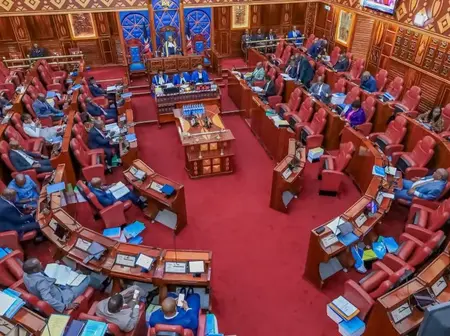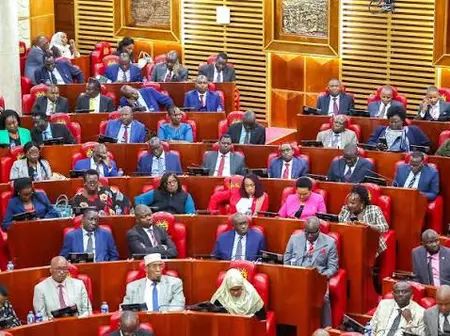
The Senate has opened the next stage of consideration of the Elections (Amendment) (No. 2) Bill, 2024, after approving a motion to examine changes introduced by the National Assembly.
The decision followed a ruling by Deputy Speaker Kathuri Murungi that the proposed legislation does not concern county governments, allowing senators to proceed with considering the amendments through the applicable parliamentary process.
Members approved the motion through a voice vote after Murungi put the question before the House. The Deputy Speaker asked senators to indicate whether the National Assembly's amendments to Senate Bills No. 29 of 2024 should now be considered, and members responded in support.
The Bill has been through both chambers since its introduction in the Senate. Senators initially passed it on December 5, 2024, before forwarding it to the National Assembly for consideration.
The National Assembly later approved the proposed law with amendments on October 22, 2026. It was subsequently returned to the Senate, where members are now required to consider the changes made by the lower House.
Before the latest decision, the Senate's Standing Committee on Justice, Legal Affairs and Human Rights had been assigned the responsibility of examining the amendments and preparing a report to guide senators.
The committee's report, dated November 11, 2026, forms part of the material available for the Senate's consideration of the proposed changes.
The Deputy Speaker's ruling on whether the Bill concerns county governments was significant because it determined the procedural route the Senate would follow in handling the National Assembly's amendments.
The latest vote does not mean the proposed law has become effective. Instead, it allows the legislative process to continue as senators examine the changes made by the National Assembly.
The next outcome will depend on whether the Senate agrees with the amendments. If the two Houses reach agreement, the Bill can proceed through the remaining constitutional stages. If differences remain, further parliamentary action will be necessary.
The legislation is intended to amend the Elections Act, but it must complete the required parliamentary process before it can become law.
Source