
A Kenya Certificate of Secondary Education (KCSE) candidate has shared an unusual account of how he ended up writing lyrics from Toxic Lyrikali’s song Thugnificent instead of the biblical song known as the Magnificat in his Christian Religious Education (CRE) examination.In a statement that has attracted attention, the candidate explained that he misunderstood a question asking students to describe the Magnificat, a song of praise attributed to Mary, the mother of Jesus, during her visit to Elizabeth.
Category: Education
-

“Degree Zake Ni Za Bandia,” Nzioka Waita Fires Back At Wavinya, Questions Her Competence
Former State House Chief of Staff and Machakos gubernatorial aspirant Nzioka Waita has questioned Governor Wavinya Ndeti's academic qualifications and leadership, accusing her administration of failing to address persistent service delivery challenges across the county.
Speaking during the Mavoko Empowerment Drive in Mlolongo on Wednesday, November 18, Waita criticised the county government's handling of essential services, citing problems affecting residents of Mavoko Constituency.
He highlighted overflowing sewerage systems, persistent water shortages, alleged grabbing of land reserved for public schools and poorly equipped health facilities. He said some dispensaries lacked essential medicines, medical personnel, electricity and emergency ambulances.
Waita also raised concerns about the shortage of public schools in Mlolongo, arguing that the area's rapid population growth had not been matched by adequate investment in education.
He noted that families unable to afford private schools were left with limited options, citing only three public primary schools and one public secondary school serving the area.
Turning to the political contest ahead of the 2027 General Election, Waita dismissed past insults directed at him during the 2022 campaigns before taking aim at Governor Wavinya's academic credentials.
"I have genuine degrees, not roadside ones like my competitors," Waita said.
He also questioned the governor's ability to articulate development issues, arguing that effective leadership requires the capacity to present and defend residents' interests when engaging the national government over projects such as roads and electricity connections.
Positioning himself as a potential challenger in the 2027 Machakos gubernatorial race, Waita called on residents to focus on development records and policy proposals rather than personal attacks between political leaders.
He pledged to pursue an inclusive administration that would serve all residents without discrimination based on their ethnic backgrounds.
-

Rongo University Student’s KSh 97,000 Graduation Preparation List Leaves Many Talking
The student, identified as Tinnah, posted a handwritten list on TikTok detailing the expenses she expected her parents to meet ahead of her graduation.
Her post came with the caption, “POV; Graduation is one week away. Me to my parents,” as she shared the various items she had included in her preparations.
Titled “Graduation Prep List”, the budget covered everything from university fees and outfits to personal grooming, photography and an after-party.
According to the list, graduation-related fees accounted for KSh 6,000, while two outfits were estimated to cost KSh 16,000.
She also set aside KSh 8,000 for two pairs of shoes and KSh 12,500 for hair styling. Nails and makeup were each allocated KSh 2,000, while jewellery was expected to cost KSh 4,000.
Other items included a handbag worth KSh 3,000, flats costing KSh 500 and a fan priced at KSh 500.
Tinnah further included KSh 3,000 for a photoshoot and KSh 3,500 for a graduation cake. She also made a miscellaneous allocation of KSh 6,000 to cater for additional expenses.
However, the biggest expense on the list was the after-party, which she estimated would require KSh 30,000.
When all the items were added together, the total came to KSh 97,000. Tinnah appeared equally surprised by the figure, writing “Jee how!!!” at the bottom of the handwritten budget.
Her post attracted considerable attention, with social media users reacting to the amount required to prepare for a graduation ceremony.
Some Kenyans were amused by the detailed list, while others questioned the high cost of celebrating the occasion. The discussion also highlighted the financial pressure some families face when planning graduation celebrations.
LINK: https://www.tuko.co.ke/people/family/647108-rongo-university-student-stuns-kenyans-graduation-preparation-list-fungua-biashara/?fbclid=IwZXh0bgNhZW0CMTEAcGRvZgRzcnRjBmFwcF9pZA80MDk5NjI2MjMwODU2MDkAAR-opFW2tN6iSZsZWWTBu6nDe3JR4r8E7eXUaoQV5C4n_IHMX8uU7jAs6I39BQ_aem_CS1H9RfEBgB0PLfuQoP2YA
-

High Court Declines to Stop Kibabii University From Awarding Honorary Degree to Governor Lusaka
The court will deliver its ruling on the petition and the County Attorney's preliminary objection on December 17, 2026.
This means Lusaka will receive his honorary degree as planned. The court did not say the petition is wrong. It only said: "We will not stop the ceremony now. We will hear the full case later."
Why Was Someone Trying To Stop It?
Honorary degrees are supposed to be for people who have done something extraordinary – great scholars, great leaders, people who have served humanity, people who have contributed to education, science, peace, or development.
But in Kenya, honorary degrees have become controversial. Many Kenyans ask: Are universities awarding them to deserving people, or are they awarding them to politicians to gain favours, to get funding, to please power?
That is why this petition was filed in Bungoma. The petitioner wanted the court to stop Kibabii University from awarding Governor Lusaka an honorary degree, arguing that the process was flawed, or that Lusaka did not deserve it, or that the university did not follow the law.
The County Attorney filed a preliminary objection – basically saying the petition should be thrown out, that the court has no jurisdiction, or that the petitioner has no standing.
The High Court listened to both sides. And it decided: The ceremony can go on. We will decide the main case on December 17, 2026.
What Does This Mean For Lusaka?
For Governor Kenneth Lusaka, this is a big win – for now.
Lusaka is the Governor of Bungoma County. He was previously the Speaker of the Senate. He is a veteran politician. He has served Bungoma for many years.
If Kibabii University awards him an honorary degree, he will add "Dr." to his name. He will be Dr. Kenneth Lusaka.
For his supporters, this is well-deserved. They say Lusaka has supported education in Bungoma, supported Kibabii University, built ECDE classrooms, supported bursaries, and served the people.
For his critics, this is politics. They say universities should not give honorary degrees to sitting governors who control county funds that go to universities. They say it looks like a reward, not an honour.
What Does This Mean For Kibabii University?
Kibabii University is one of the youngest public universities in Kenya, located in Bungoma County. It has grown fast. It has thousands of students. It is a source of pride for Bungoma.
But this case puts it in the spotlight.
If the court later rules on December 17 that the award was illegal, what happens? Can the university take back a degree already awarded? Can Lusaka still call himself Dr.?
That is why December 17 is important. The court will decide: Was the process legal? Did the university Senate follow the law? Did the petitioner have a right to sue?
For now, the university can proceed. Graduation ceremonies are planned months in advance. Students have invited parents. Parents have bought new clothes. Stopping the ceremony at the last minute would have disrupted everything.
The Bigger Question: Who Deserves Honorary Degrees In Kenya?
In Kenya, we have seen honorary degrees given to politicians, musicians, pastors, businessmen, even people with questionable backgrounds.
Kenyans are asking: Should universities award honorary degrees to sitting politicians? Should there be clear criteria? Should the public be involved?
Kibabii University says Lusaka deserves it. The petitioner says no. The court says: Let the ceremony happen, we will decide later.
On December 17, 2026, Bungoma High Court will give its final ruling.
Until then, Governor Lusaka will walk to the graduation dais, wear the gown, receive the degree, and become Dr. Kenneth Lusaka.
Whether he keeps it – that is for the court to decide.
https://www.facebook.com/share/p/19Zk4RTby7/
-
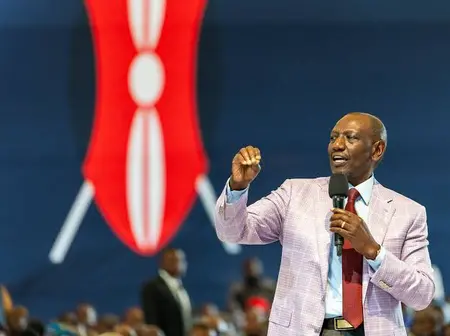
Government Faces Pressure Over University Funding Model and School Capitation
Although the government has allocated more money to the education sector, it is yet to settle on a new university funding model. The delay has left questions about how higher learning institutions will receive financial support and how students will access affordable university education.
The university funding model has been a subject of debate, particularly following concerns raised by students and parents over the cost of higher education. The previous funding arrangement was replaced by a new system designed to determine government support based on students' financial circumstances.
However, disagreements and legal challenges surrounding the new arrangement have complicated its implementation, creating uncertainty for institutions and learners.
At the basic education level, primary and secondary schools are also dealing with funding shortages. Despite repeated government assurances that schools would receive adequate capitation, the amounts disbursed have reportedly remained below the required levels.
Capitation funds are important in supporting daily school operations, including purchasing learning materials, maintaining facilities and meeting other essential expenses. When the money is delayed or insufficient, school administrators may struggle to provide the necessary services.
The situation also places additional pressure on parents, who may be asked to contribute towards expenses that would otherwise be covered through government funding. For many families, such additional costs can make access to education more difficult, particularly at a time when households are already dealing with rising living expenses.
The challenge remains ensuring that the money allocated to education reaches schools and universities in sufficient amounts to support uninterrupted learning and improve the quality of education.
SOURCE: https://www.facebook.com/share/p/1DjzHmQtrm/
-
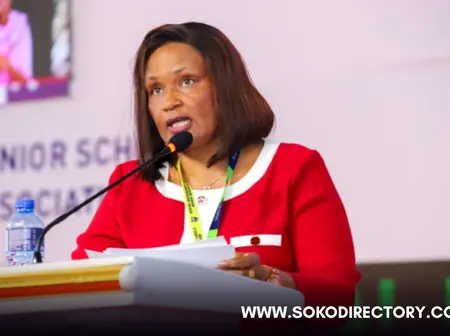
How To Track Your TSC Application Status Online, A Step-by-Step Guide
Teachers waiting to hear back from the Teachers Service Commission (TSC) no longer have to travel to a county office to find out where their application stands.Whether you applied for a registration number or for a job advertised by the TSC, you can follow its progress online.
-
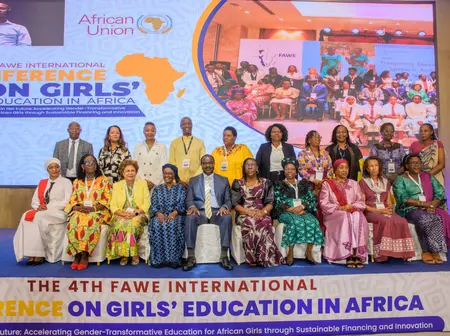
African leaders call for sustainable funding to keep girls in school
African government officials, development partners and youth advocates have called for increased and sustainable investment in girls’ education, warning that millions of adolescent girls across the continent remain at risk of dropping out of school.The call was made during the 4th Forum for African Women Educationalists (FAWE) International Conference on Girls’ Education in Africa, held in Nairobi under the theme “Investing in Her Future”.
-

Court declines to block Kibabii University from conferring honorary degree on Governor Lusaka
The High Court in Bungoma has declined to issue interim orders stopping Kibabii University from conferring an honorary degree on Bungoma Governor Kenneth Makelo Lusaka, leaving the institution free to proceed with the planned ceremony for now.In a decision delivered on Wednesday, November 18, 2026, the court declined to grant the conservatory orders sought by consumer rights activist Stephen Mutoro, who moved to court to halt the award.
-

Teachers expect November salaries by Friday after TSC reportedly closes payroll
Teachers across Kenya are preparing to receive their November 2026 salaries after the Teachers Service Commission (TSC) reportedly closed its monthly payroll on Tuesday, November 17, paving the way for disbursement later this week.The development is expected to bring relief to thousands of teachers who depend on their monthly earnings to meet household expenses, rent, loan repayments, school fees and other financial obligations.
-
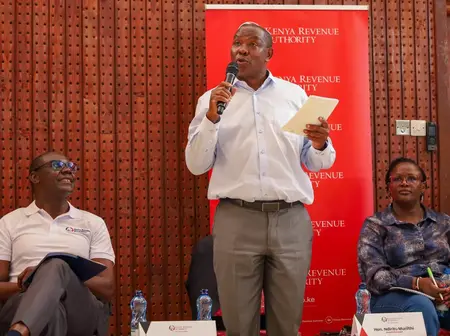
KRA introduces tax education in Schools to promote a culture of tax compliance
The Kenya Revenue Authority (KRA) is expanding tax education in schools, universities and other institutions as part of efforts to promote a culture of tax compliance among Kenyans from an early age.KRA Board Chairman Ndiritu Muriithi said the Authority, in partnership with the Kenya Institute of Curriculum Development (KICD), had incorporated taxation content into the school curriculum from Grade One to Grade Nine.