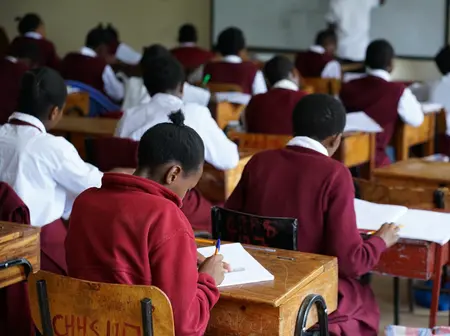
(Photo courtesy)
Kenya’s transition to comprehensive schools is expected to improve the management of basic education, but education stakeholders have been warned that changing leadership structures alone will not solve the challenges facing schools.
The debate comes as school heads from across the country gather in Mombasa for the 2026 Kenya Comprehensive Schools Heads Association (KECSHA) conference, where the future of comprehensive schools is among the key issues under discussion.
Bringing primary and Junior School under one management structure could improve coordination, teacher supervision, resource sharing and learner support.
However, these benefits will only be realised if schools receive adequate resources and proper institutional support.
One of the major concerns is the uncertainty surrounding leadership positions, responsibilities and decision-making in Junior School.
Education stakeholders want clear guidelines to prevent confusion as schools adjust to the new system.
The reforms also come at a time when schools are dealing with teacher shortages, inadequate classrooms, limited textbooks and insufficient learning materials.
Giving school heads more responsibilities without providing additional resources could increase their workload instead of improving efficiency.
The challenges are even greater under the Competency-Based Education (CBE) system, which focuses on practical skills, creativity, critical thinking and problem-solving.
Achieving these goals requires well-trained teachers, appropriate learning materials and enough time to support learners.
There are also concerns that applying one management model to all schools may fail to address their different needs.
Rural schools with limited facilities face different challenges from well-equipped urban institutions. Schools also differ in size, staffing levels, infrastructure and learner populations.
The Ministry of Education and the Teachers Service Commission (TSC) have an important role in ensuring the reforms succeed.
They are expected to provide clear administrative guidelines, address teacher shortages, release school funds on time and invest in learning infrastructure.
Teachers and school administrators have also been urged to take part in decisions affecting their duties and working conditions.
Their experience on the ground can help identify challenges and develop practical solutions.
Ultimately, the success of the Mombasa conference should not be judged by the number of principals attending, speeches delivered or resolutions made.
It should be measured by whether the discussions lead to real improvements in schools and better learning outcomes for Kenyan children.
(Photo courtesy)
https://epaper.peopledaily.digital/html5/reader/production/default.aspx?pubname=People%20Daily&pubid=2d11dca3-13c2-4add-9dc1-cee781ba2925
Leave a Reply