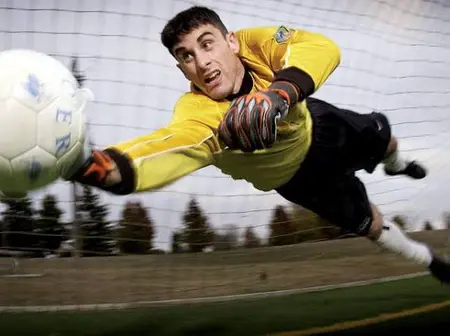
A goalkeeper can make ten impressive saves in a match and still struggle to influence the game in other ways. Modern football demands much more from players in this position than simply keeping the ball out of the net. The best goalkeepers combine technical ability, tactical intelligence, leadership, and mental strength to give their teams a competitive advantage.
Shot-stopping remains essential, but it represents only one part of the job. World-class goalkeepers understand how to read the game, organise defenders, distribute the ball, and make important decisions under pressure. These qualities separate reliable goalkeepers from those who consistently influence results at the highest level.
Great goalkeepers do not wait for attackers to shoot before they start defending. They constantly assess the situation, anticipate potential threats, and position themselves to reduce an opponent's chances of scoring. Their understanding of angles and attacking movements often allows them to prevent difficult situations before they develop.
Positioning also determines how effectively a goalkeeper handles one-on-one situations. Instead of rushing towards an attacker without considering the circumstances, experienced goalkeepers know when to narrow the shooting angle, stay on their feet, or close down the space.
Game awareness matters just as much. Goalkeepers must track opposing forwards, recognise dangerous runs, and anticipate crosses. They also need to maintain concentration when their team dominates possession because opponents can create unexpected opportunities with little warning.
Modern football has transformed the goalkeeper's responsibilities in possession. Teams increasingly expect their goalkeepers to participate in building attacks rather than simply clearing the ball whenever opponents apply pressure.
Accurate short passing allows goalkeepers to help their teams play out from the back. They must recognise passing options, understand pressing patterns, and deliver the ball to teammates without exposing the defence to unnecessary risks.
Long-range distribution offers another valuable weapon. A goalkeeper who can consistently find a winger or striker with an accurate pass can turn a defensive situation into an attacking opportunity within seconds.
These abilities require excellent technique, composure, and decision-making. Goalkeepers must know when to play a short pass, attempt a longer delivery, or clear the danger. Their distribution can influence how a team controls possession and approaches attacking situations.
Goalkeepers enjoy a unique view of the entire pitch, which gives them an important responsibility in organising the defence. They can identify attacking movements, recognise unmarked opponents, and communicate instructions before dangerous situations develop.
Effective communication helps defenders maintain their positions and coordinate their movements. A goalkeeper who confidently calls for the ball during crosses or directs teammates during set pieces can reduce confusion in the penalty area.
Leadership also involves building trust. Defenders need confidence that their goalkeeper will make decisive interventions and communicate clearly when danger approaches. This relationship becomes particularly important during difficult matches when pressure increases and defensive mistakes become more costly.
World-class goalkeepers also demonstrate leadership through their actions. They maintain concentration, encourage teammates after mistakes, and remain composed when the opposition threatens their goal.
Goalkeeping demands considerable mental resilience because mistakes often lead directly to goals. An outfield player can lose possession and recover defensively, but a goalkeeper's error can immediately change the scoreline.
World-class performers understand how to recover mentally after disappointing moments. They avoid allowing one mistake to affect their concentration during the rest of the match. Instead, they remain focused and prepare for the next challenge.
Decision-making also separates elite goalkeepers from ordinary performers. They constantly assess whether to leave their goal and intercept a through ball, claim an incoming cross, punch the ball away, or remain on their line.
These decisions often happen within seconds. A goalkeeper must consider the movement of attackers, the position of defenders, and the flight of the ball before committing to an action.
The ability to make sensible decisions under pressure gives goalkeepers greater consistency and helps their teams avoid unnecessary defensive problems.
Exceptional reflexes remain fundamental to successful goalkeeping. Even with excellent positioning, goalkeepers occasionally face powerful shots, unexpected deflections, and close-range attempts that demand immediate reactions.
Agility allows them to move quickly across the goalmouth, adjust their body positions, and recover after making initial saves. Explosive movement also helps them reach shots directed towards the corners.
However, physical command extends beyond reflexes. Goalkeepers need sufficient strength to compete with attackers during aerial challenges, protect the ball, and maintain control in crowded penalty areas.
Height can provide an advantage when dealing with crosses, but physical attributes alone do not guarantee success. Coordination, timing, balance, and sound technique determine how effectively goalkeepers use their physical abilities.
The best performers combine these qualities to make their penalty areas difficult places for opponents to attack.
A world-class goalkeeper must deliver reliable performances throughout an entire season. Producing an outstanding display in one important match means little if the player regularly makes avoidable mistakes in subsequent games.
Consistency requires concentration, discipline, preparation, and a willingness to keep improving. Goalkeepers must also understand that different opponents present different challenges. Some teams rely on crosses and aerial deliveries, while others use quick combinations and through balls to penetrate defensive lines.
Tactical adaptability allows goalkeepers to respond effectively to these different approaches. They must understand their manager's instructions and adjust their positioning, distribution, and decision-making accordingly.
The ability to learn from mistakes also matters. Elite goalkeepers regularly analyse their performances, identify weaknesses, and work with coaches to improve specific aspects of their game.
Being a world-class goalkeeper involves considerably more than producing spectacular saves. The best performers combine exceptional shot-stopping with intelligent positioning, accurate distribution, leadership, physical ability, and outstanding mental resilience.
These qualities allow them to influence matches even when opponents rarely test their goal directly. They organise defensive structures, initiate attacks, prevent dangerous situations, and give teammates confidence.
A great goalkeeper does more than protect the goal. They become an important part of the team's overall identity, contributing to its defensive stability and attacking effectiveness. That complete package is what separates genuinely world-class goalkeepers from those who simply make good saves.
Leave a Reply