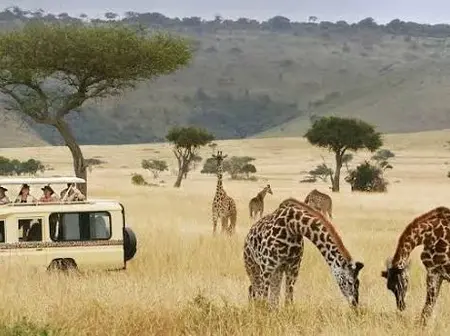
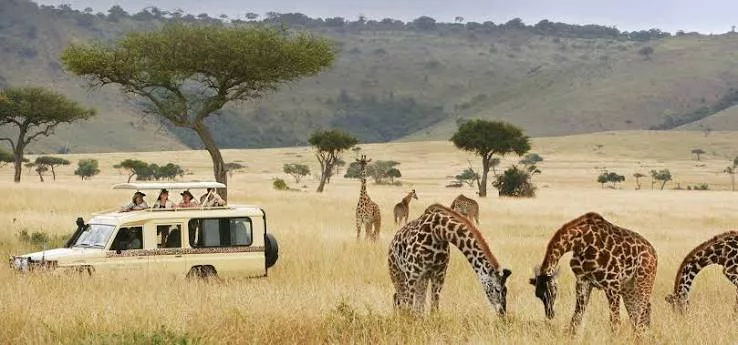
Kenya has been ranked fourth among the world's most desirable destinations for nature and wildlife tourism, placing it behind South Africa, Brazil and Australia in the 2026 Wanderlust Reader Travel Awards.
The ranking puts Kenya ahead of neighbouring Rwanda and Tanzania, which finished fifth and eighth respectively, in a category that recognises countries offering outstanding wildlife encounters, natural attractions and conservation experiences.
South Africa won the Gold Award, Brazil took silver and Australia bronze.
Wanderlust magazine praised South Africa for its long history of conservation and diversity of wildlife experiences, describing it as one of Africa's great pioneers of conservation.
The magazine noted that the recognition was particularly fitting as Kruger National Park marked its 100th anniversary.
"South Africa remains a benchmark for wildlife travel," the magazine said, citing experiences ranging from the red dunes and black-maned lions of the Kalahari to tracking rhinos on foot in the bushveld and exploring the wetlands of iSimangaliso.
Kenya's fourth-place finish highlights its standing in a competitive international safari market, where the country has built its reputation around iconic wildlife destinations, diverse ecosystems and conservation initiatives.
Its attractions include the Maasai Mara, famous for the annual wildebeest migration, Amboseli National Park, known for its elephant populations and views of Mount Kilimanjaro, and the expansive Tsavo East and Tsavo West national parks.
Other destinations include Samburu National Reserve, Lake Nakuru National Park, Nairobi National Park and the country's coastal marine parks.
The country's tourism offering also extends to community conservancies, walking safaris, birdwatching and cultural experiences that allow visitors to explore wildlife beyond traditional game drives.
Kenya's wildlife attractions are spread across different ecological zones, offering experiences that range from savannah grasslands and semi-arid landscapes to mountain forests, wetlands and marine ecosystems.
The Maasai Mara remains one of the country's most recognised attractions, particularly during the annual wildebeest migration, when millions of wildebeest, zebras and gazelles move between Kenya and Tanzania in search of pasture and water.
In Amboseli, visitors are drawn by the large elephant populations that roam against the backdrop of Mount Kilimanjaro.
The Tsavo ecosystem, comprising Tsavo East and Tsavo West national parks, offers vast wilderness areas, while Samburu is known for species such as the Grevy's zebra, reticulated giraffe and Somali ostrich.
Kenya also enjoys a distinctive advantage through Nairobi National Park, which allows visitors to see lions, rhinos, giraffes and other wildlife against the backdrop of a modern capital city.
The Kenya Tourism Board's tourism portal also highlights attractions such as Lake Nakuru, Aberdare National Park, Mount Kenya and the country's coastal marine parks as part of its diverse nature-based tourism offering.
Beyond the national parks, privately and community-managed conservancies have expanded opportunities for wildlife protection and tourism.
These initiatives have helped bring local communities into conservation activities while creating additional experiences for visitors.
According to the Kenya Wildlife Service, the country's protected-area system covers approximately 8.2 per cent of its landmass and includes national parks, reserves and sanctuaries. Its conservation framework also incorporates community-led conservancies.
Kenya's position ahead of Rwanda and Tanzania is notable given the three East African countries' competition for international safari visitors.
Rwanda has increasingly attracted high-end wildlife tourism through mountain gorilla trekking in Volcanoes National Park, while Tanzania is known for the Serengeti, Ngorongoro Conservation Area and Mount Kilimanjaro.
The magazine's assessment of Kenya's competitors also points to the different experiences shaping wildlife tourism globally.
Brazil, which took silver, offers extensive rainforest and biodiversity in the Amazon, while Australia, which finished third, is known for its distinctive wildlife and varied natural landscapes.
Wanderlust's results showed that South Africa's appeal was driven by the range of experiences available across its conservation areas, from desert wildlife encounters to wetlands and bushveld safaris.
Other global destinations recognised
Beyond the wildlife category, Costa Rica was named the world's Most Desirable Country, winning Gold ahead of Japan and South Africa, which took silver and bronze respectively.
Wanderlust described Costa Rica as "the poster child for responsible tourism", highlighting its community-run tourism ventures, boutique lodges and conservation programmes.
Spain won the Most Desirable Country in Europe award, followed by Türkiye and Portugal.
In the city categories, Tokyo was named the world's most desirable city, ahead of Buenos Aires and Cape Town, which secured third place.
Athens won the European city category, with Dubrovnik and Copenhagen taking second and third positions.
California was voted the world's most desirable region, ahead of Abu Dhabi and Sarawak in Malaysian Borneo, while the Croatian Islands won the European regional category.
Tasmania took the Gold Award for the world's most desirable island, with Nassau and Paradise Island in second place and Taiwan third.
The Philippines was named the Most Desirable Island Country, ahead of Barbados and The Bahamas.
Belize emerged as the Most Desirable Emerging Destination, beating Guatemala and Armenia.
Adventure, culture and sustainability
In the special-interest categories, Peru was named the world's most desirable destination for adventure, with Canada and New Zealand taking silver and bronze.
Germany won the sustainability category, ahead of Switzerland and the Netherlands, while Egypt was recognised as the leading destination for culture and heritage.
Thailand won the gastronomy category, followed by Italy and France.
The awards also recognised tourism operators, with British Airways Holidays taking Gold in the general tour operator category, while Exodus Adventure Travels won the nature and wildlife category.
Singapore Airlines was named the Favourite Airline, ahead of Qatar Airways and Turkish Airlines.
Speaking at the awards ceremony, broadcaster and author Kate Humble said the recognition was particularly meaningful because the winners were selected by people with actual travel experiences.
"What I love about these awards is that every one of them is decided by people who actually travel, people who have stood at the top of the trail or sat at the kitchen table of a village guesthouse," she said.
The 25th edition attracted 251,461 readers who cast more than 8.2 million votes across 23 categories, recognising destinations, tourism operators and travel brands.
The awards ceremony was held at the Maritime Greenwich UNESCO World Heritage Site in London on November 5, with the Duke of Sussex delivering the keynote address on responsible tourism.
Wanderlust said the awards placed emphasis on responsible tourism that protects communities and the environment for future generations.
Leave a Reply