The National Cohesion and Integration Commission (NCIC) has urged leaders in Isiolo County to stop trading accusations and embrace collective responsibility in addressing insecurity following a wave of deadly attacks along the Isiolo–Garissa border that left nine people dead.
The Commission called for dialogue, restraint and peaceful coexistence, warning that continued blame games risk deepening divisions among communities already grappling with insecurity and tensions.
In a statement shared on X on Monday, November 23, 2026, after a fact-finding engagement with communities in Isiolo County on Saturday, November 21, 2026, NCIC urged leaders to put aside their differences and pursue constructive solutions to the violence.
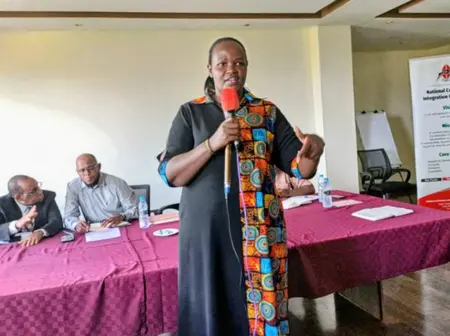
Speaking on behalf of the Commission, Commissioner Josephine Eregae cautioned leaders against pointing fingers at one another while residents continue losing their lives.
“Pointing fingers at one another while lives are being lost only deepens divisions,” the Commissioner warned.
She reminded leaders that Isiolo belongs to all its communities, emphasising that lasting peace requires collective responsibility.
“Isiolo belongs to all its communities, and that lasting peace requires collective responsibility,” the commission added.
The NCIC intervention comes days after a series of deadly attacks along the Garissa–Isiolo border left nine people dead, including a mother and her 14-day-old baby.
The violence was reported in the Janju area of Lagdera Constituency, with preliminary accounts linking the attacks to retaliatory confrontations following earlier killings involving herders from neighbouring communities.
The attacks also involved livestock theft, with reports indicating that more than 1,500 goats and sheep were stolen during the violence.
The killings heightened fears of further retaliatory attacks, prompting security agencies to deploy additional officers to the affected areas.
Community elders subsequently called for restraint, warning that revenge attacks could spread to other areas, including Kinna and Modogashe.
The Commission’s intervention followed a meeting convened by the Parliamentary Departmental Committee on Administration and Internal Security to establish the underlying causes of conflict and recent killings along the Isiolo–Garissa border.
The engagement was led by Committee Chairperson Hon. Gabriel Tongoyo and Co-Chairperson Hon. Rasso.
It brought together representatives of the county’s diverse communities, elected leaders, Members of the County Assembly, local peace chairpersons, and youth and elders, who shared their views and proposals on addressing insecurity.
NCIC was represented by Commissioners Joseph Nguyo, Josephine Eregae and Hassan Ahmed.
In its communication after the meeting, the Commission called on all leaders and residents to “prioritise dialogue, restraint and peaceful coexistence” as part of efforts to safeguard lives and strengthen unity in Isiolo County.
The latest killings have renewed concerns over recurring communal tensions along the Garissa–Isiolo border, where competition over grazing land, access to resources and unresolved territorial disputes have contributed to cycles of violence.
For affected residents, the immediate concern remains preventing further attacks, protecting livestock and restoring security in their communities.
NCIC has maintained that safeguarding peace requires leaders and communities to take collective responsibility rather than deepen divisions through accusations.
The challenge now lies in translating community consultations into practical security interventions, addressing the underlying causes of conflict and ensuring that families living along the troubled border can return to normal life without fear of further attacks.
Leave a Reply