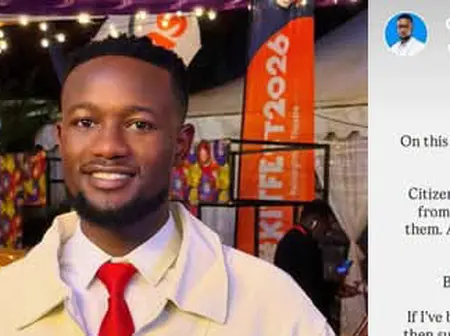
He argues that creators also build audiences before monetizing them. He says they first give free content, grow followers, then later ask fans to pay or support them.
Trevor says Citizen TV has done the same over many years. He says the station built a huge audience with free livestreams before introducing a paid package.
Royal Media Services introduced the KSh350 package on Saturday, November 21, 2026. It covers Citizen TV, Inooro TV and Ramogi TV livestreams on YouTube.
Viewers pay one monthly fee to access all three stations. They subscribe by visiting any of the three YouTube channels and clicking the Join button.
Payments can be made using bank cards, including debit, credit and virtual cards. RMS says the package applies to YouTube viewers only, and nowhere else.
The move ended years of free access to Citizen TV livestreams on YouTube. The station's livestreams were still free as recently as Friday, November 20.
However, Trevor argues Citizen must offer exclusive content to justify the charges. He says viewers will not pay for the same content they can get elsewhere for free.
He warns that viewers could move to other free platforms if Citizen does not add value. He says NTV and KTN are already benefiting from the shift.
Reports say rival broadcasters recorded a sharp rise in online viewership after the paywall. Many viewers announced on social media that they had switched from Citizen TV.
Media commentator Eric Njoka also weighed in, saying the KSh350 fee had seemingly shifted viewership to competitors. He says the move changed Kenya's digital television landscape.
Supporters of Trevor's view say he has a point about building before monetizing. They say YouTubers post free videos for months before turning on monetization or memberships.
They say Citizen TV invested heavily in studios, journalists and production. They argue it deserves a chance to test a sustainable revenue model beyond advertising.
They also say KSh350, about 2.70 dollars, is not too high for three stations. They say it is less than the cost of data for many viewers who watch daily.
Critics say Citizen TV is different from a small creator. They say it is a national broadcaster that already earns from advertising and should keep news free.
They say news is a public service, especially during elections and emergencies. They argue paywalling live news limits access for low-income Kenyans.
They also say payment by card locks out many viewers without bank cards. They say M-Pesa should be fully supported if RMS wants mass uptake.
A Media Council of Kenya report found 50.4 percent of consumers were willing to pay for digital content. It also found many were willing to pay below KSh300 monthly.
That suggests Citizen's KSh350 price may be slightly above what many viewers expect. Experts say a hybrid model could work, with free news and premium exclusives.
Trevor's warning about exclusive content is echoed by media analysts. They say premium interviews, investigations and behind-the-scenes content could convince fans to pay.
They say if Citizen offers only the same bulletin viewers get on free TV, the paywall will fail. They say value must be clear from the first month.
For now, RMS has not issued a formal public announcement explaining the fee. Viewers seeking help have been directed to contact the broadcaster by phone or WhatsApp.
Do you agree with Director Trevor? Should creators stop criticizing Citizen TV for monetizing after building an audience?
Should Citizen TV offer exclusive content to justify KSh350? Or should live news remain free for all Kenyans on YouTube?
https://www.facebook.com/share/1Bd7efioHa/
Leave a Reply