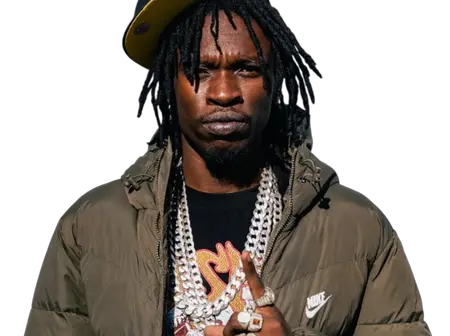
Kenyan rapper Toxic Lyrikali has challenged young people to consider music and entertainment as alternative ways of earning money instead of turning to criminal activities.
The musician said although the creative industry can be difficult to break into, it offers opportunities for those willing to work hard and remain committed to their craft.
He argued that crime should not be viewed as an easier way to make money, noting that both paths come with challenges.
Toxic urged young people to join his circle and explore their talents, emphasising that there was money to be made in the entertainment industry.
“Usanii iko na pesa. Usanii ni ngumu ndio lakini hakuna kitu rahisi, ata crime ni ngumu. Tusiingie crime,” he said.
His remarks come amid conversations about the influence of Kenyan street music, particularly songs that explore themes of violence, crime and life in urban neighbourhoods.
While some musicians have faced criticism over the messages conveyed in their songs, Toxic's comments highlighted the distinction between expressing street experiences through art and engaging in criminal behaviour.
Toxic Lyrikali's struggles before fame
The rapper's encouragement is informed partly by his own journey, which involved taking up different jobs before gaining recognition in music.
Growing up in Kayole, Nairobi, Toxic experienced financial difficulties and worked at a dumpsite, where he collected scrap metal, copper, plastics and cartons to earn a living.
He also worked in construction as he sought to support himself financially before pursuing his music ambitions.
His experiences in the neighbourhood have influenced his musical identity, with several of his songs drawing from street life and the struggles faced by young people in similar environments.
Toxic gained wider recognition following the release of Thugnificent in 2023. He later released Chinje, which became one of his popular tracks.
His catalogue also includes Sick, Backbencher and Confirmation, songs that have contributed to his growing profile in Kenya's urban music scene.
By urging young people to pursue entertainment, the rapper has presented his own career path as an example of how creative talent can provide an alternative to crime.
https://www.facebook.com/share/1CPFeXV7r8/
Leave a Reply