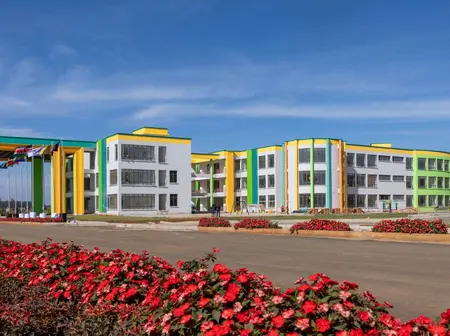
First Lady Rachel Ruto launched the school on Wednesday at Koilel farm. It pairs classroom learning with sports training and expects its first learners in January 2027.
At the top of the range, a year’s tuition would run past KSh1.1 million. Government guidelines put the annual parental contribution for a public boarding school at KSh53,554, so Mwangi’s comparison is that one year at SIBOH would cover roughly twenty learners in the public system.
He wants the school’s ownership and financing made public. He also wants to know whether public money, land or state-funded infrastructure went into it, and has asked for the companies contracted to build the school to be named, along with whether those contractors hold government contracts.
Separately, he questioned how the President would draw the line between his private interests in the school and his public duties, and said he had already declared his own net worth. He invited Ruto to do the same and to publish the school’s full ownership and financing.
Mwangi’s wider argument is that Kenya does not need more elite schools for the children of the powerful when public schools remain underfunded. He called on Kenyans to keep pressure on public school funding.
Public secondary schools are staring at a proposed fee increase of up to KSh43,000, set against a capitation shortfall of more than KSh40 billion across secondary and junior secondary schools. The Kenya Secondary Schools Heads Association has flagged inadequate and delayed government capitation.
Leave a Reply