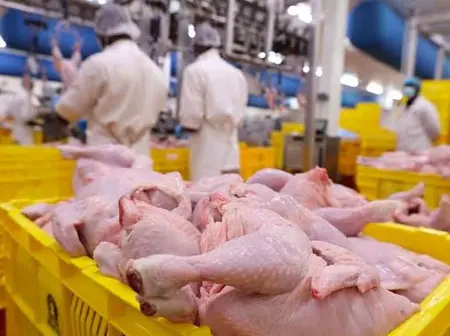
The study, run by a KVA technical working group with a University of Nairobi department, screened chicken for three pathogens. E. coli turned up in 94.7 percent of samples. Staphylococcus aureus was found in 39.3 percent and Salmonella in 8.1 percent. In 34 percent of cases, E. coli and S. aureus appeared together.
What the researchers found behind the counter explains much of that. Wooden chopping boards were in use at 92.8 percent of the outlets, and the study linked them to more than three times the odds of S. aureus contamination. Chicken handled on shared surfaces carried more than triple the odds of E. coli. Freezer storage, by contrast, cut the odds of Salmonella by 72 percent.
Cold storage is where many outlets fall short. Just over half, 54.6 percent, kept chicken at room temperature, and 92.4 percent received their stock unchilled. Three-quarters of the establishments had surfaces smeared with visible meat and blood residue. Seven in ten had no handwashing facility at all, while only 9.9 percent of attendants wore clean protective clothing.
Most retailers, 79.2 percent, got their chicken from distributors or wholesalers, and 47 percent bought directly from local farms.
The study also found drug resistance in the bacteria it isolated. Among E. coli isolates, 44.7 percent were multidrug-resistant. Resistance to cotrimoxazole stood at 65.9 percent and to ampicillin at 50.8 percent. For S. aureus, 28.4 percent of isolates were multidrug-resistant. Salmonella isolates were the exception, with 99.6 percent classified as non-multidrug-resistant.
KVA National President Kelvin Osore said the findings highlight an urgent need to strengthen food safety standards across the poultry supply chain.
The association wants mandatory food safety training for meat handlers, enforced cold-chain standards and routine microbial surveillance. It is asking retailers to swap wooden boards for stainless steel or food-grade plastic and to install handwashing stations with soap and clean water. County governments are being urged to develop localised food safety policies and strengthen inspection services, while consumers are encouraged to demand safe food and handle it properly at home.
Former nominated senator Millicent Omanga has meanwhile been showcasing her commercial poultry operation, posting a video of herself collecting eggs from a laying-hen facility. She did not disclose where the farm is, how many birds it holds or how many eggs it produces daily.
Leave a Reply