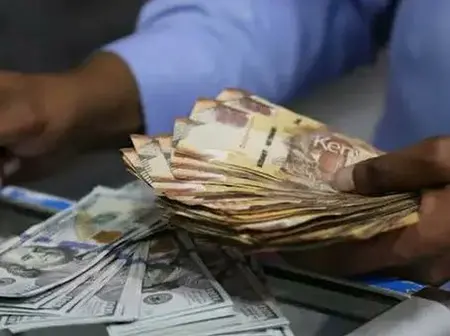
The government has announced a fresh crackdown on money laundering, counterfeit goods and fake businesses after a new assessment revealed that illegal trade activities are costing Kenya billions of shillings every year.
The State Department for Trade unveiled a national strategy on Wednesday, November 18, 2026, following findings that illicit business activities cost the country approximately Ksh826 billion annually.
According to the National Assessment of Illicit Trade in Kenya Report, the losses represent about 9.3 per cent of the country's Gross Domestic Product (GDP).
The report identifies money laundering, commonly known as wash wash, counterfeit products and substandard goods among the major threats to Kenya's economy.
It warns that these activities undermine genuine businesses, reduce government revenue and expose consumers to potentially dangerous products.
The assessment also highlights other illegal activities, including the diversion of controlled medicines, reuse of packaging materials, trafficking in wildlife trophies and natural resources, human trafficking and labour exploitation.
In response, the government has proposed a seven-pillar national framework to strengthen the fight against illegal trade.
One of the key measures involves improving coordination between government agencies and sharing intelligence to help identify and disrupt criminal networks.
The strategy also proposes using modern technology to track products along supply chains and identify suspicious business operations.
Authorities are further expected to pursue tougher legal action against individuals involved in illicit activities while targeting the financial networks that support money laundering.
The government also plans to introduce regulatory reforms in specific sectors and work more closely with private businesses, communities and international partners.
The new measures come as Kenya intensifies efforts to strengthen its financial monitoring systems and exit the Financial Action Task Force (FATF) grey list.
The international watchdog places countries under increased monitoring when weaknesses are identified in their systems for fighting money laundering and financing terrorism.
The scale of the reported losses highlights the economic challenge facing the country, particularly for businesses that follow the law and pay taxes but must compete with illegal operators.
The government says implementing the new framework will help protect consumers, restore fair competition and safeguard public revenue.
However, the success of the strategy will depend on how effectively authorities investigate and dismantle the networks behind the illegal activities.
SOURCE:
Leave a Reply