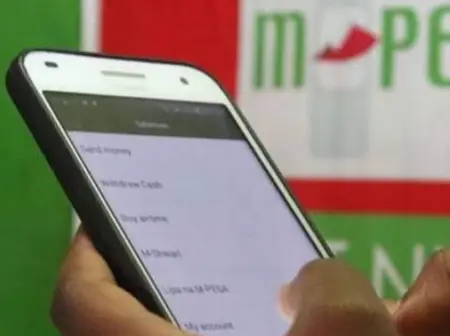
The schemes involve fake Paybill and Buy Goods numbers, manipulation of the M-Pesa Hakikisha confirmation prompt and fraudulent reversal requests. Scammers are increasingly exploiting WhatsApp and Telegram groups to reach unsuspecting users.
One of the tricks involves cloning legitimate business payment numbers. Fraudsters register till numbers that closely resemble those belonging to genuine businesses, sometimes changing only one digit.
They then circulate the fake numbers in online groups, advertising attractive festive discounts to lure shoppers. Customers who fail to verify the payment details risk sending money to the wrong accounts.
M-Pesa users are advised to carefully examine the recipient's name displayed through the Hakikisha confirmation prompt before entering their PIN. If the name does not match the intended business, they should cancel the transaction.
Another tactic involves exploiting the same confirmation feature by creating panic among victims. Fraudsters make calls claiming there is an emergency and pressure people into sending money quickly without checking the recipient's details.
Some criminals also use account names resembling those of familiar contacts or established brands to make their requests appear genuine.
The third scheme involves manipulating M-Pesa's reversal process. In this arrangement, a fraudster sends money to an unsuspecting person's number before calling to claim the transfer was accidental.
For instance, the criminal may send KSh5,000 and urgently request that the recipient return the amount through a separate transaction.
However, after receiving the money, the fraudster may initiate an official reversal of the original transaction. This could leave the victim losing the amount they personally sent back.
A peer-reviewed study published in the Kabarak Journal of Research and Innovation examined factors contributing to vulnerability to social engineering attacks among Kenyan social media users.
The findings highlighted how criminals exploit human trust and behaviour to manipulate people into revealing information or transferring money.
To protect their savings, M-Pesa users are advised to maintain a PIN that is different from their phone unlock code and bank ATM PIN. They should also avoid sharing photographs of their national identity cards through WhatsApp and Telegram because such documents can be exploited in SIM swap fraud.
A sudden and prolonged loss of mobile network signal could also indicate possible SIM-related interference. In such circumstances, customers are advised to use another phone to contact Safaricom through 100 and request that their line be frozen.
Additionally, suspicious phone numbers can be forwarded to 333 for reporting.
As December approaches, customers are encouraged to verify every payment request and avoid making hurried transactions, particularly when dealing with unfamiliar people or attractive online offers.
https://www.facebook.com/100064760708552/posts/1732881082213899/?app=fbl
Leave a Reply