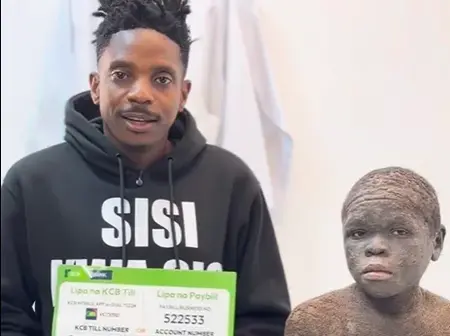
Comedian and philanthropist Eric Omondi may need to adjust how he documents and publicizes the plights of vulnerable children during his online fundraising drives, following a strict new government directive on child privacy.
On Tuesday, November 17, 2026, the State Department for Children Services issued a stern caution to individuals, organizations, and digital content creators against publishing photographs, videos, and sensitive personal details of minors in ways that compromise their identities while soliciting financial aid. Although the department did not mention Omondi by name, the directive directly impacts the visual storytelling model he relies on to rally Kenyans behind charitable causes.
Omondi has built a prominent humanitarian initiative around sharing raw, unfiltered videos of struggling families and children on social media to highlight their living conditions and medical challenges. In one notable recent appeal, he featured 17-year-old Bryson Makokha, who suffers from a rare skin condition, sharing the teenager’s images and story online in a campaign that reportedly raised Ksh10.2 million for his medical care and family welfare.
While acknowledging the vital role well-wishers play in supporting needy households, the State Department expressed deep concern over the rising trend of using minors’ faces and medical histories to evoke public sympathy and generate donations. Officials warned that exposing a child’s identity, health status, or domestic struggles leaves them vulnerable to long-term stigma, bullying, discrimination, and exploitation, emphasizing that good intentions must never override a child’s fundamental rights.
Crucially, the department clarified that obtaining consent from a parent or guardian does not give fundraisers a free pass to broadcast a child’s private life online. Even when desperate families agree to have their circumstances publicized in hopes of securing financial relief, the child’s dignity, privacy, and best interests must take precedence over publicity or fundraising goals.
Although the directive does not bar Omondi or other well-wishers from mobilizing financial support for vulnerable youth, it sets clear boundaries on how those appeals are packaged. Moving forward, the comedian may have to adopt privacy-first practices—such as blurring children’s faces, omitting identifying details, and withholding sensitive medical records—to balance effective charitable fundraising with the legal and ethical protection of minors.
Leave a Reply