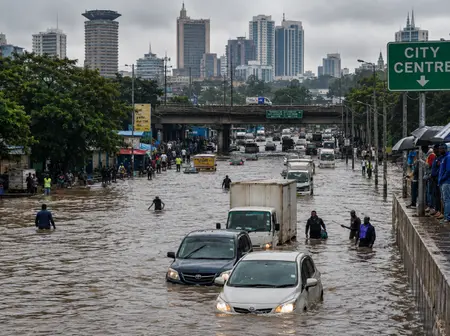
Heavy rainfall can quickly turn into a safety risk, particularly in areas prone to flooding, with residents urged to take precautions to protect their lives and property.
Flooding can disrupt transport, damage homes and businesses, destroy property and expose communities to contaminated water. The risks are often greater in low-lying areas, informal settlements and neighbourhoods with poor drainage systems.
As heavy downpours continue to affect different parts of the country during rainy periods, Kenyans are advised to monitor official weather updates and prepare for possible changes in conditions.
Residents living near rivers, streams and other waterways face increased risks when rainfall causes water levels to rise.
Urban areas can also experience flash floods when drainage systems become overwhelmed by large volumes of water. Roads, residential estates and business premises may flood within a short period, especially where drainage channels are blocked.
People living in flood-prone neighbourhoods should remain alert during prolonged rainfall and avoid waiting until water enters their homes before taking action.
Motorists and pedestrians are advised to avoid crossing flooded roads, bridges and swollen rivers, as the depth and strength of moving water can be difficult to assess.
Drivers should slow down when visibility is poor and avoid driving through sections of roads covered by water. Where possible, motorists should use alternative routes and follow instructions from authorities.
Households can reduce risks by clearing drainage channels around their homes, securing important documents in waterproof containers and preparing emergency supplies.
Residents should also avoid walking or driving through floodwater because it may conceal open drains, damaged roads, sharp objects or other hazards.
Families living in areas vulnerable to flooding should identify safer places to move to if water levels rise. They should also agree on how to communicate and reunite if household members become separated.
Where flooding threatens a home, residents should move to higher ground when it is safe to do so and follow evacuation instructions from authorities.
Floodwater may contain sewage, chemicals and other contaminants. Residents should avoid contact with it and use safe drinking water to reduce the risk of waterborne diseases.
Kenyans are encouraged to follow updates from the Kenya Meteorological Department and heed alerts issued by disaster management authorities.
Although the intensity of rainfall varies from one region to another, early preparation and timely action can help reduce the loss of lives and property during heavy downpours.
Leave a Reply